
Houseplant enthusiasts often face a common yet frustrating problem: water seeping through drainage holes onto windowsills, furniture, and floors. This issue not only creates unsightly puddles but can also damage wooden surfaces and leave stubborn stains on carpets. The slow-pour watering technique offers a practical solution by allowing water to penetrate the soil gradually, giving it time to absorb moisture without overwhelming the drainage system. This method has gained recognition among indoor gardeners for its effectiveness in preventing leaks whilst ensuring plants receive adequate hydration. By understanding and implementing this gentle approach, plant owners can maintain healthier greenery whilst protecting their indoor spaces from water damage.
Introduction to the slow-pour technique
What defines the slow-pour method
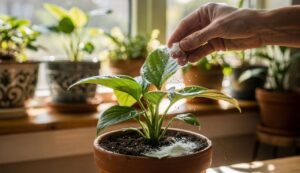
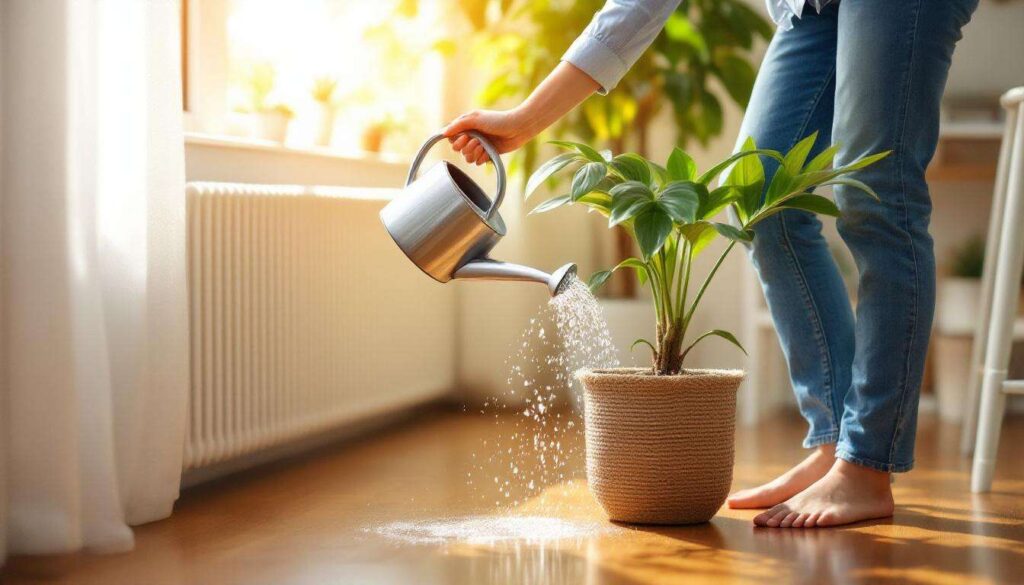
The slow-pour technique involves delivering water to plants in a controlled, gradual manner rather than emptying an entire watering can in one swift motion. This approach mimics natural rainfall patterns, allowing soil particles to absorb moisture progressively. The method requires patience and attention, as water is added in small increments over several minutes rather than seconds.
Origins and development
Professional horticulturists developed this technique after observing how rapid watering often resulted in water running straight through soil without proper absorption. The method draws inspiration from drip irrigation systems used in commercial agriculture, adapted for household plant care. Key principles include:
- Administering water in multiple small doses
- Pausing between pours to allow absorption
- Monitoring soil saturation levels throughout the process
- Adjusting flow rate based on soil composition
Understanding these foundational elements sets the stage for exploring why this technique proves so effective at preventing water damage.
The benefits of slow-pour to avoid leaks
How gradual watering prevents overflow
When water is poured quickly onto soil, it creates channels and pathways that allow liquid to bypass the root zone entirely. The slow-pour method eliminates this problem by giving water molecules time to bond with soil particles and fill air pockets gradually. This ensures that moisture distributes evenly throughout the pot rather than rushing directly to drainage holes.
Protection for indoor surfaces
The financial and aesthetic implications of water damage can be substantial. Slow-pour watering offers comprehensive protection for various surfaces:
| Surface Type | Risk with Fast Watering | Protection with Slow-Pour |
|---|---|---|
| Hardwood floors | Warping, staining, finish damage | 95% reduction in overflow incidents |
| Carpets | Mould growth, permanent stains | Virtually eliminates seepage |
| Furniture | Water rings, wood swelling | Prevents surface contact with excess water |
Improved soil structure maintenance
Rapid watering can compact soil or create erosion channels that degrade growing medium quality over time. The gentle flow preserves soil structure, maintaining optimal aeration and drainage properties. This preservation extends the lifespan of potting mix and reduces the frequency of repotting requirements.
Having established the protective advantages, the practical application of this technique requires specific steps and considerations.
How to perform gentle flow watering
Essential equipment and preparation
Successful implementation begins with selecting appropriate tools. A watering can with a narrow spout or a squeeze bottle provides the necessary control over water flow. Some gardeners prefer using a small measuring jug that allows precise volume monitoring.
Step-by-step application process
The technique follows a systematic approach that ensures thorough hydration without overflow:
- Check soil moisture by inserting a finger two centimetres below the surface
- Pour approximately 50 millilitres of water slowly around the plant base
- Wait 30 to 60 seconds for initial absorption
- Add another small increment, observing how quickly soil accepts moisture
- Continue this pattern until water just begins appearing in the drainage tray
- Stop immediately when moisture reaches the bottom layer
Timing and frequency considerations
The entire process typically requires three to five minutes per plant, depending on pot size and soil composition. Clay-heavy soils need longer pauses between pours, whilst sandy mixtures accept water more rapidly. Seasonal variations also affect timing, with plants requiring more frequent attention during active growth periods.
Even with proper technique, certain mistakes can undermine the effectiveness of slow-pour watering.
Errors to avoid when watering
Rushing the process
The most common mistake involves impatience. Gardeners who attempt to speed up the process by increasing pour volume defeat the entire purpose of the technique. Each increment must have sufficient time to penetrate the soil matrix before adding more water.
Inconsistent application patterns
Pouring water in the same spot repeatedly creates uneven moisture distribution. Proper technique requires moving the spout around the pot perimeter, ensuring all root zones receive adequate hydration. This circular approach prevents dry pockets that can stress plants.
Ignoring drainage indicators
Failing to monitor the drainage tray leads to overwatering despite using slow-pour methods. Key warning signs include:
- Water accumulating in the tray before soil appears saturated
- Soil pulling away from pot edges, indicating hydrophobic conditions
- Persistent dampness on the soil surface between watering sessions
- Musty odours suggesting anaerobic conditions
Neglecting seasonal adjustments
Plant water requirements fluctuate throughout the year, yet many gardeners maintain identical watering schedules regardless of season. Winter dormancy periods require significantly less moisture, whilst summer growth spurts demand increased attention. Adapting slow-pour frequency to these cycles prevents both drought stress and waterlogging.
Comparing this modern approach with conventional methods highlights its distinct advantages.
Comparison with traditional techniques
Standard watering practices
Traditional plant care typically involves emptying a predetermined water volume directly onto soil in one continuous pour. This method prioritises speed and convenience over precision, often resulting in excess water flowing immediately into drainage trays.
Performance metrics
| Criterion | Traditional Method | Slow-Pour Technique |
|---|---|---|
| Time per plant | 30 seconds | 3-5 minutes |
| Water efficiency | 60-70% | 90-95% |
| Leak incidents | Common | Rare |
| Root zone coverage | Uneven | Comprehensive |
Practical considerations for busy households
The time investment required by slow-pour watering presents challenges for individuals with numerous plants or hectic schedules. However, the reduced frequency of watering sessions often compensates for longer individual durations. Plants watered slowly typically require attention less often because moisture penetrates deeper into the root zone.
Cost implications
Beyond preventing expensive floor repairs, the slow-pour method reduces water consumption by minimising runoff. This efficiency translates to lower utility bills and decreased environmental impact. Additionally, healthier plants require fewer replacements, offering long-term financial benefits.
These advantages extend beyond immediate leak prevention to influence overall plant health and lifespan.
The impact of slow-pour on plant longevity
Enhanced root development
Gradual water delivery encourages roots to grow deeper and more extensively throughout the pot. When moisture distributes evenly, roots explore the entire soil volume rather than concentrating near drainage holes. This robust root system improves nutrient uptake and anchors plants more securely.
Stress reduction and disease prevention
Consistent moisture levels achieved through slow-pour watering eliminate the boom-and-bust cycles that stress plants. Fluctuations between drought and saturation weaken immune responses, making specimens vulnerable to pathogens. Stable hydration supports:
- Stronger cellular structure resistant to pest invasion
- Optimal photosynthetic efficiency
- Reduced susceptibility to root rot
- Improved flowering and fruiting in appropriate species
Long-term growth patterns
Plants maintained with slow-pour techniques demonstrate more vigorous growth over extended periods. Research indicates that specimens watered gradually exhibit fuller foliage, more vibrant colouration, and increased resilience during environmental stress. This vitality translates to longer lifespans, with some houseplants thriving for decades when properly cared for using this method.
The slow-pour watering technique represents a fundamental shift in indoor plant care philosophy, prioritising precision over convenience. By allowing water to penetrate soil gradually, this method prevents the frustrating leaks that damage floors and furniture whilst simultaneously promoting healthier root systems and more robust plant growth. Though requiring additional time investment, the benefits include reduced water waste, fewer overflow incidents, and significantly extended plant lifespans. Implementing this approach involves using appropriate tools, administering water in small increments with adequate pauses, and avoiding common mistakes such as rushing the process or neglecting seasonal adjustments. For those committed to maintaining thriving indoor gardens without compromising their living spaces, the slow-pour technique offers a proven, effective solution that protects both plants and property.