



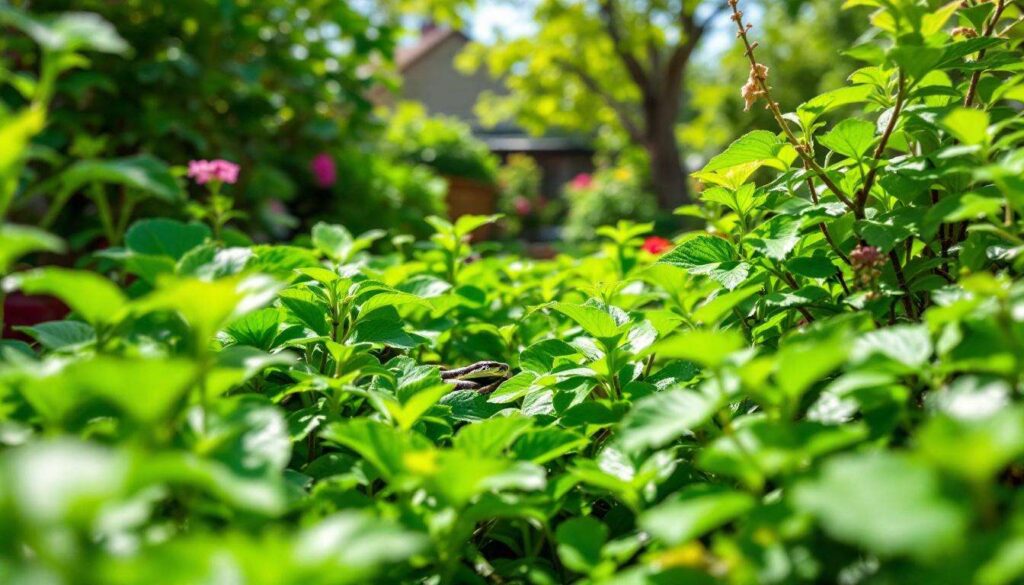
Gardening enthusiasts often focus on aesthetics and functionality when selecting plants for their outdoor spaces, but few consider the unintended wildlife these choices might attract. One particular plant has gained notoriety amongst horticulturists and pest control experts alike for its remarkable ability to draw snakes into residential areas. Understanding which species poses this risk and why it appeals to serpents can help homeowners make informed decisions about their landscaping choices.
What is this plant that attracts snakes ?
Identifying the culprit: motherwort and similar species
The primary plant responsible for attracting snakes to gardens is motherwort (Leonurus cardiaca), a member of the mint family that produces dense, bushy growth with distinctive purple-pink flowers. This perennial herb can reach heights of up to one metre and spreads rapidly through both seeds and underground runners. Its thick foliage creates the perfect shelter that snakes actively seek when hunting or resting.
Other plants that share similar snake-attracting properties include:
- Dense groundcovers such as ivy and pachysandra
- Thick ornamental grasses like pampas grass
- Low-growing shrubs with tangled branches
- Overgrown herb gardens, particularly those containing mint varieties
Physical characteristics that appeal to serpents
Motherwort possesses several features that make it particularly attractive to snakes. Its dense branching structure creates numerous hiding spots at ground level, whilst its rapid growth rate ensures continuous cover throughout the growing season. The plant’s tendency to form thick patches rather than individual specimens provides extensive shelter that snakes find irresistible when seeking refuge from predators or extreme temperatures.
The relationship between this plant and snake activity reveals important insights into how landscaping choices directly impact wildlife presence around homes.
Why is this plant a magnet for snakes ?
Creating the perfect habitat for serpents
Snakes are drawn to motherwort and similar plants because they recreate the natural environments these reptiles prefer. The cool, shaded microclimate beneath the foliage maintains ideal temperatures for cold-blooded creatures, whilst the dense growth provides protection from aerial predators such as hawks and owls. This combination of safety and comfort makes these plants function as snake sanctuaries within residential gardens.
Attracting prey species
Beyond providing shelter, motherwort indirectly attracts snakes by supporting robust populations of their preferred prey. The plant’s structure harbours:
- Rodents that nest in the protective cover
- Insects that feed on the nectar and foliage
- Small amphibians seeking moisture and shade
- Ground-dwelling birds that forage amongst the stems
| Prey Type | Attraction Factor | Snake Species Drawn |
|---|---|---|
| Rodents | Nesting material and shelter | Rat snakes, corn snakes |
| Insects | Nectar and plant material | Garter snakes, smooth snakes |
| Amphibians | Moisture and cover | Grass snakes, water snakes |
Moisture retention properties
The thick canopy created by motherwort retains soil moisture exceptionally well, creating damp conditions that attract slugs, snails, and other moisture-loving invertebrates. These creatures form part of the diet for many snake species, particularly smaller serpents and juveniles. The consistently moist environment also appeals to snakes directly, as they require certain humidity levels for successful skin shedding.
Understanding these attraction mechanisms helps explain the potential risks associated with cultivating such plants near living spaces.
The dangers of planting this species near your home
Increased snake encounters
Planting motherwort or similar species within close proximity to your home dramatically increases the likelihood of unexpected snake encounters. These interactions often occur in areas where families spend leisure time, such as patios, children’s play areas, and garden paths. Whilst most British snakes pose minimal threat, the surprise factor alone can cause distress, particularly for those with ophidiophobia or young children.
Health and safety concerns
Even in regions where venomous snakes are rare, the presence of serpents near homes creates legitimate safety concerns:
- Risk of defensive bites when snakes feel threatened
- Potential allergic reactions to snake saliva or venom
- Danger to pets who may attempt to investigate or attack snakes
- Psychological stress for residents uncomfortable with reptiles
Property value implications
Homes with documented snake problems often experience reduced market appeal and potential decreases in property value. Prospective buyers may be deterred by evidence of snake activity, particularly if the garden contains plants known to attract these reptiles. Estate agents frequently advise sellers to address such issues before listing properties.
Fortunately, numerous attractive alternatives exist that provide visual appeal without the unwanted serpent visitors.
Alternatives to snake-attracting plants
Open-structure plants
Selecting plants with open growth habits significantly reduces snake appeal whilst maintaining garden beauty. Consider species such as:
- Lavender with its upright, airy structure
- Salvia varieties that grow in discrete clumps
- Ornamental alliums with their spherical flower heads
- Roses trained as standards rather than ground-hugging shrubs
Plants with strong scents
Many aromatic plants naturally repel snakes through their pungent essential oils. These species serve dual purposes, providing both aesthetic value and natural pest deterrence:
| Plant Name | Primary Scent | Additional Benefits |
|---|---|---|
| Marigolds | Sharp, citrus-like | Deters insects and rabbits |
| Lemongrass | Strong citrus | Culinary uses, mosquito repellent |
| Garlic plants | Pungent sulphur | Edible bulbs, general pest control |
Vertical gardening solutions
Incorporating vertical elements removes ground-level hiding spots whilst maximising growing space. Climbing plants on trellises, wall-mounted planters, and raised beds all reduce snake habitat whilst creating visually striking garden features. This approach proves particularly effective in smaller gardens where ground space is limited.
Beyond plant selection, implementing comprehensive garden management strategies further minimises snake presence.
Tips for keeping snakes away from your garden
Maintaining tidy outdoor spaces
Regular garden maintenance proves essential for discouraging snake habitation. Remove debris piles, fallen branches, and accumulated leaf litter that provide hiding spots. Keep grass trimmed to heights below 5 centimetres, as longer grass creates the cover snakes seek when moving through open areas.
Eliminating food sources
Controlling rodent populations removes the primary attraction for many snake species. Implement these strategies:
- Store bird seed in sealed containers rather than open feeders
- Remove fallen fruit promptly from beneath trees
- Secure rubbish bins with tight-fitting lids
- Eliminate standing water that attracts amphibians
Creating physical barriers
Installing snake-proof fencing around vulnerable areas provides effective protection. Use fine mesh buried at least 15 centimetres below ground level and extending 60 centimetres above ground. Ensure gates close flush with the ground, leaving no gaps for serpents to exploit.
These garden-focused strategies work best when combined with home-specific protective measures.
Protecting your home from snake intrusions
Sealing entry points
Snakes can squeeze through surprisingly small openings, making thorough home inspection crucial. Seal gaps around:
- Pipe entries and utility line penetrations
- Foundation cracks wider than 6 millimetres
- Door sweeps and window screens
- Ventilation openings in foundations and roofs
Managing the perimeter zone
Create a snake-unfriendly buffer zone extending at least one metre from your home’s foundation. This area should feature gravel or crushed stone rather than mulch or soil, as the rough texture discourages snake movement. Remove all plantings from this zone, particularly climbing vines that provide access to upper storeys.
Professional intervention
When snake problems persist despite preventative measures, consulting wildlife control specialists becomes necessary. These professionals can identify specific species present, locate nesting sites, and implement targeted removal strategies whilst ensuring compliance with wildlife protection regulations.
Awareness of snake-attracting plants and implementation of appropriate landscaping choices significantly reduces unwanted reptile encounters around homes. By selecting alternative species, maintaining tidy gardens, and securing properties against intrusion, homeowners can enjoy beautiful outdoor spaces without the concern of serpent visitors. The key lies in understanding that seemingly innocuous planting decisions carry ecological consequences, making informed plant selection an essential aspect of responsible garden design and home safety.