



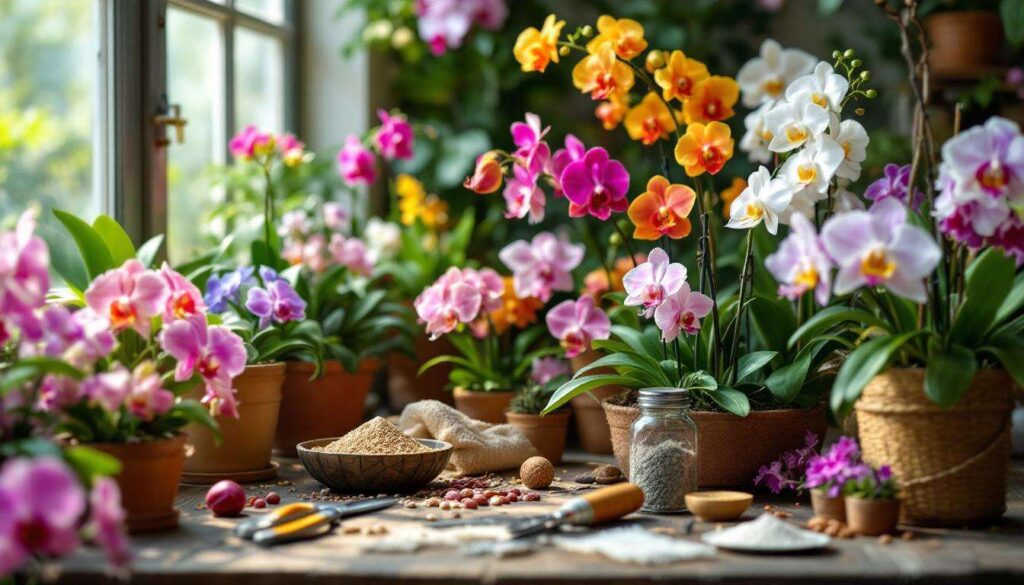
Orchids captivate gardening enthusiasts with their elegant blooms and exotic appearance, yet many struggle to maintain their vitality beyond the initial flowering period. The secret to transforming these delicate plants into thriving specimens may already exist within your kitchen cupboards. Two ordinary household items possess remarkable properties that can revolutionise orchid care, offering a cost-effective alternative to commercial fertilisers whilst delivering exceptional results. Understanding how these simple ingredients work together creates a powerful approach to nurturing these beautiful plants.
The cupboard secrets to revitalise your orchids
The foundation of successful orchid cultivation often lies not in expensive specialist products but in readily available household staples. Black tea and cinnamon, two items commonly found in most kitchens, possess unique properties that address the specific nutritional and protective needs of orchids. These natural solutions have been utilised by experienced growers for generations, yet remain relatively unknown to casual plant enthusiasts.
Why natural alternatives outperform chemicals
Commercial orchid fertilisers frequently contain synthetic compounds that can accumulate in potting media, potentially damaging sensitive root systems over time. Natural alternatives offer several distinct advantages:
- Gentle nutrient release that prevents root burn
- Absence of harmful chemical residues
- Cost-effectiveness compared to branded products
- Dual-purpose applications for multiple plant needs
- Environmental sustainability and reduced packaging waste
The organic compounds found in black tea and cinnamon work synergistically with orchid biology, supporting natural growth processes rather than forcing artificial development. This approach respects the plant’s inherent rhythms whilst providing essential support during critical growth phases.
Understanding orchid nutritional requirements
Orchids require a delicate balance of nutrients, with particular emphasis on nitrogen for foliage development and phosphorus for bloom production. Unlike terrestrial plants, epiphytic orchids have evolved to extract nutrients from minimal sources in their natural canopy habitats. This adaptation means they respond exceptionally well to mild, consistent feeding rather than concentrated applications.
| Nutrient | Function | Natural source |
|---|---|---|
| Nitrogen | Leaf growth | Black tea tannins |
| Potassium | Root strength | Tea minerals |
| Antifungal agents | Disease prevention | Cinnamon compounds |
These fundamental nutritional needs connect directly to how specific cupboard ingredients can fulfil orchid requirements through their inherent chemical composition.
The hidden power of black tea
Black tea contains a remarkable array of beneficial compounds that orchids readily absorb and utilise. The tannins, nitrogen, and trace minerals present in tea leaves create an ideal nutritional supplement when properly prepared and applied.
Chemical composition benefits
The fermentation process that creates black tea generates polyphenolic compounds alongside essential nutrients. These substances acidify the growing medium slightly, creating optimal pH conditions for orchid roots. The tannic acid content particularly benefits orchids by:
- Lowering substrate pH to the preferred 5.5-6.5 range
- Providing gentle nitrogen supplementation
- Introducing beneficial antioxidants to root zones
- Improving water retention in bark-based media
Application methodology for tea solutions
Preparing a black tea solution requires careful attention to concentration and temperature. Steep two tea bags in one litre of lukewarm water for approximately fifteen minutes, then allow the mixture to cool completely before application. Never apply hot liquid directly to orchid roots, as thermal shock can cause irreversible damage.
The cooled tea solution can be used as a replacement for regular watering once fortnightly during active growth periods. Pour the liquid through the potting medium until it drains freely from container holes, ensuring thorough root contact without waterlogging. This method delivers nutrients whilst maintaining proper aeration essential for epiphytic root health.
Beyond nutritional benefits, tea applications prepare orchids for enhanced growth stimulation when combined with complementary treatments.
The magic of cinnamon for growth stimulation
Cinnamon powder serves as both a protective agent and growth promoter through its unique antimicrobial properties. This common spice contains cinnamaldehyde, a compound with proven antifungal and antibacterial effects that safeguard orchids against common pathogens.
Protective properties of cinnamon
The application of cinnamon to cut surfaces, damaged roots, or repotting sites creates a natural barrier against infection. When orchid tissues are exposed during division or accidental damage, fungal spores can rapidly colonise vulnerable areas. Cinnamon powder applied directly to these wounds forms a protective seal whilst promoting healing through its mild drying effect.
Rooting hormone alternative
Recent horticultural research has identified cinnamon’s potential as a natural rooting stimulant. The compound eugenol present in cinnamon encourages cellular division at cut sites, promoting faster root development in propagated orchids. When repotting or dividing plants, lightly dust root ends with cinnamon powder before placing in fresh medium.
- Accelerates root emergence by approximately 30 per cent
- Reduces transplant shock during repotting
- Prevents rot in newly divided pseudobulbs
- Creates hostile environment for soil-borne pathogens
These protective and stimulative qualities make cinnamon an indispensable component of comprehensive orchid care, particularly when coordinated with proper application schedules.
Usage guide: dosages and frequency
Successful implementation of these natural treatments depends upon precise application and appropriate timing aligned with orchid growth cycles.
Black tea treatment schedule
| Growth phase | Frequency | Concentration |
|---|---|---|
| Active growth | Fortnightly | 2 bags per litre |
| Dormancy | Monthly | 1 bag per litre |
| Post-flowering | Weekly for 4 weeks | 2 bags per litre |
Cinnamon application protocols
Apply cinnamon powder sparingly but strategically to maximise benefits without overwhelming plant tissues. For wound treatment, dust affected areas immediately after cutting or damage occurs. During repotting, incorporate one-quarter teaspoon of cinnamon powder into each litre of potting medium to create ongoing antifungal protection throughout the substrate.
Understanding these application principles provides the foundation for incorporating additional care practices that further enhance orchid health.
Additional tips for flourishing orchids
Whilst black tea and cinnamon provide substantial benefits, comprehensive orchid care requires attention to environmental factors and supplementary practices.
Environmental optimisation
Orchids thrive when conditions mimic their native habitats. Maintain humidity levels between 50-70 per cent through regular misting or humidity trays. Ensure adequate air circulation without direct draughts, as stagnant air promotes fungal growth whilst excessive wind desiccates leaves.
- Position plants in bright, indirect light for 12-14 hours daily
- Maintain temperature differentials of 5-10 degrees between day and night
- Use well-draining bark-based media changed every two years
- Water when potting medium approaches dryness but before complete dehydration
Complementary natural treatments
Banana peel water provides potassium supplementation when used alternately with tea applications. Crushed eggshells mixed into potting media slowly release calcium, strengthening cell walls and improving overall plant structure. These additions work harmoniously with tea and cinnamon treatments to create a complete natural nutrition programme.
These foundational care elements work in concert with specific bloom-focused strategies to maximise flowering potential.
Care advice for vibrant blooms
Encouraging spectacular flowering requires targeted interventions during critical developmental periods.
Triggering bloom cycles
Many orchid species require temperature fluctuations to initiate flower spike development. Reduce nighttime temperatures by 5-7 degrees for four to six weeks whilst maintaining daytime warmth. Combine this environmental manipulation with increased phosphorus availability through banana peel applications to signal reproductive readiness.
Supporting developing spikes
Once flower spikes emerge, increase humidity slightly and ensure consistent moisture without waterlogging. Continue fortnightly tea applications to support the energy-intensive bloom production process. Stake developing spikes gently to prevent mechanical damage whilst allowing natural growth patterns.
- Avoid repositioning plants during spike development
- Increase ambient humidity to 60-70 per cent
- Reduce nitrogen whilst maintaining phosphorus levels
- Ensure 14-16 hours of appropriate light intensity
Implementing these strategies alongside regular tea and cinnamon treatments creates optimal conditions for prolonged, vibrant flowering displays.
Transforming orchid care through accessible household ingredients demonstrates that effective plant cultivation need not rely on expensive commercial products. Black tea provides gentle, consistent nutrition whilst acidifying growing media to optimal levels, and cinnamon offers powerful protective properties alongside growth stimulation. When applied according to proper schedules and combined with appropriate environmental conditions, these simple staples deliver remarkable results. The integration of natural treatments with fundamental care principles creates a sustainable, cost-effective approach that respects orchid biology whilst producing the dazzling blooms these plants are celebrated for.