

Winter gardening presents unique opportunities for cultivating fresh produce despite colder temperatures. Many vegetables thrive when planted during this dormant season, offering gardeners the chance to maintain productive plots year-round. Understanding which varieties adapt to winter conditions enables successful harvests across diverse climatic zones, from mild coastal regions to areas experiencing frost and snow.
Introduction to vegetables to plant in January
Understanding winter planting opportunities
Planting vegetables during the coldest month requires careful selection based on hardiness ratings and regional climate patterns. Certain crops demonstrate remarkable resilience to cold weather, establishing strong root systems whilst temperatures remain low. These varieties often produce superior flavours compared to their summer-grown counterparts, as cold weather concentrates sugars within plant tissues.
Successful January planting depends on several factors:
- Local average minimum temperatures and frost dates
- Soil condition and drainage capabilities
- Available protection methods such as cloches or cold frames
- Daylight hours in your specific location
- Variety selection appropriate for winter cultivation
Climate considerations for winter vegetables
Different climatic zones offer varying possibilities for January planting. Mild climate gardeners enjoy the broadest selection, whilst those in harsher conditions must focus on the hardiest varieties or employ protective structures. Understanding your specific hardiness zone provides essential guidance for choosing appropriate vegetables that will survive and flourish through winter months.
| Climate Type | Planting Options | Protection Needed |
|---|---|---|
| Mild (no frost) | Extensive variety | Minimal |
| Moderate (light frost) | Hardy vegetables | Occasional coverage |
| Cold (regular frost) | Very hardy varieties | Consistent protection |
These foundational principles naturally lead to examining specific techniques that maximise success rates during winter cultivation.
Tips for successful winter planting
Soil preparation essentials
Preparing soil properly before planting proves crucial for winter success. Cold, waterlogged soil prevents healthy root development and increases disease susceptibility. Working organic matter into beds improves drainage whilst providing nutrients that release slowly throughout the growing season. Testing soil pH ensures optimal conditions for nutrient uptake, particularly important when plant growth naturally slows.
Timing and scheduling considerations
Planting at the correct moment within the month significantly impacts germination rates and establishment. Early January planting suits hardy varieties in milder regions, whilst colder areas benefit from waiting until late month when soil temperatures begin rising. Monitoring weather forecasts helps avoid planting immediately before severe cold snaps that could damage emerging seedlings.
- Check soil temperature with a thermometer before sowing
- Warm soil with black plastic sheeting for one week prior
- Choose overcast days for transplanting to reduce stress
- Water thoroughly after planting to settle soil around roots
With proper preparation established, attention turns to specific vegetable categories that perform exceptionally well in winter conditions.
Root vegetables suitable for all climates
Carrots and parsnips for winter harvests
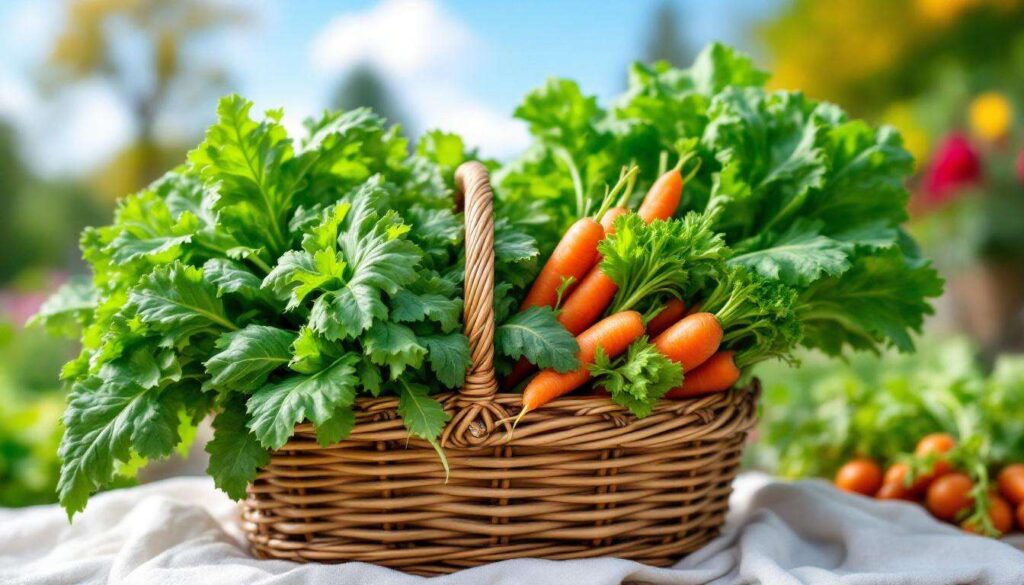
Root vegetables rank amongst the most reliable winter crops, tolerating cold temperatures whilst developing sweet, tender flesh. Carrots planted in January mature during spring, offering fresh harvests when shops stock limited local produce. Parsnips require frost exposure to develop their characteristic sweetness, making January planting ideal for summer harvesting.
Radishes and turnips as quick crops
Fast-growing radishes provide harvests within four to six weeks, even during winter months. Their rapid maturity makes them excellent for filling gaps between slower-growing crops. Turnips similarly adapt to cold conditions, producing both edible roots and nutritious greens. Both vegetables germinate reliably in cool soil, requiring minimal protection in most climates.
Beetroot varieties for winter sowing
Beetroot demonstrates excellent cold tolerance, particularly bolt-resistant varieties bred specifically for winter cultivation. These vegetables develop slowly during cold months, producing tender roots without the woodiness sometimes associated with summer-grown specimens. Successive sowings every few weeks ensure continuous harvests throughout spring and early summer.
Whilst root vegetables develop beneath the soil surface, above-ground leafy crops offer equally valuable winter growing opportunities.
Leafy vegetables to favour in January
Spinach and chard for nutritious greens
Spinach thrives in cold weather, with many cultivars specifically developed for winter production. These varieties resist bolting and produce abundant leaves even during short winter days. Swiss chard offers similar benefits with added visual appeal through colourful stems. Both vegetables tolerate light frosts and actually improve in flavour after cold exposure.
Oriental greens and salad leaves
Asian brassicas including pak choi, mizuna, and mustard greens grow vigorously during winter months. These vegetables mature quickly and withstand temperatures that would damage other crops. Mixed salad leaf varieties bred for cold tolerance provide fresh salads throughout winter, particularly when grown under cloches or in unheated greenhouses.
- Winter lettuce varieties with cold-hardy genetics
- Corn salad (lamb’s lettuce) for extreme hardiness
- Land cress as a peppery watercress alternative
- Rocket varieties selected for winter production
Beyond vegetables, certain herbs also flourish when planted during winter months, adding aromatic dimensions to seasonal cooking.
Growing herbs in any season
Hardy perennial herbs for January planting
Several perennial herbs establish successfully from January plantings, developing strong root systems before spring growth accelerates. Thyme, rosemary, and sage tolerate cold conditions exceptionally well, with established plants surviving harsh winters. These herbs actually prefer cooler planting conditions, suffering less transplant shock than when moved during hot weather.
Annual herbs suitable for winter cultivation
Whilst most annual herbs prefer warmer conditions, coriander and parsley germinate reliably in cool soil. Coriander particularly benefits from winter sowing, as cool temperatures delay bolting and extend the harvest period. Parsley seeds require patience, often taking three weeks to germinate, but resulting plants withstand frost and provide fresh leaves throughout winter.
Even the hardiest vegetables benefit from protective measures during the coldest periods, ensuring healthy growth and abundant harvests.
Tips for protecting your plants from the cold
Physical protection methods
Various structures shield plants from damaging cold whilst maintaining adequate ventilation. Cloches create beneficial microclimates around individual plants or rows, raising temperatures by several degrees. Cold frames offer larger protected growing areas, perfect for salad crops and leafy vegetables. Horticultural fleece provides lightweight protection without creating excessive humidity that encourages fungal diseases.
Mulching and soil insulation techniques
Applying organic mulches around plants insulates soil, moderating temperature fluctuations that damage roots. Straw, leaf mould, and compost all serve effectively whilst gradually improving soil structure. Mulch layers should remain approximately five centimetres deep, kept clear of plant stems to prevent rot. This simple technique significantly improves winter survival rates across all vegetable types.
- Apply mulch after soil warms slightly to trap heat
- Remove coverings during mild spells to prevent overheating
- Ensure adequate ventilation under all protective structures
- Monitor plants regularly for pest activity in protected environments
Winter vegetable gardening rewards careful planning and appropriate variety selection with fresh, flavourful produce during months when gardens typically lie dormant. Understanding your specific climate conditions, preparing soil thoroughly, and employing protective measures when necessary enables successful cultivation across diverse growing zones. From hardy root vegetables to resilient leafy greens and aromatic herbs, January planting establishes crops that mature during spring and early summer, extending the productive season and reducing reliance on imported produce. The satisfaction of harvesting home-grown vegetables during colder months makes winter gardening efforts thoroughly worthwhile.