
The modern home has become a sanctuary where wellness and self-sufficiency increasingly take centre stage. Growing aromatic herbs indoors offers a practical solution for those seeking natural remedies to combat daily pressures whilst enjoying the satisfaction of nurturing living plants. Fresh chamomile tea, harvested from your own windowsill, represents just one of many therapeutic benefits available when you cultivate medicinal herbs within arm’s reach. This accessible form of gardening requires minimal space yet delivers maximum returns for both physical and mental wellbeing.
Why grow aromatic herbs at home ?
Economic and practical advantages
Cultivating herbs indoors eliminates the recurring expense of purchasing fresh or dried varieties from shops. A single chamomile plant can produce flowers for months, providing dozens of cups of tea at a fraction of the retail cost. Beyond financial savings, having herbs readily available means no last-minute trips to the supermarket when you need a calming infusion after a stressful day.
- Continuous supply throughout the year regardless of season
- No pesticides or chemical treatments unless you choose to apply them
- Immediate access when needed for cooking or remedies
- Reduced packaging waste compared to shop-bought products
Quality and freshness guaranteed
Shop-bought dried herbs often lose essential oils and therapeutic compounds during processing and storage. Homegrown alternatives retain their full potency because you harvest them moments before use. The difference in flavour and effectiveness becomes immediately apparent when comparing a freshly picked chamomile flower to dried sachets that may have sat on shelves for months.
Understanding these practical benefits naturally leads to exploring how the very act of tending plants contributes to stress reduction.
The benefits of gardening on stress
Horticultural therapy and mental health
Research consistently demonstrates that interacting with plants reduces cortisol levels, the hormone primarily responsible for stress responses. The simple act of watering, pruning, or observing growth provides a meditative focus that diverts attention from anxiety-inducing thoughts. Indoor gardening offers these benefits without requiring outdoor space or favourable weather conditions.
| Activity | Stress reduction benefit |
|---|---|
| Watering plants | Establishes calming routine |
| Observing growth | Provides sense of accomplishment |
| Harvesting herbs | Creates tangible reward |
| Touching soil and leaves | Grounds through sensory engagement |
Creating mindful moments
Caring for herbs demands presence and attention, qualities that form the foundation of mindfulness practices. When you check soil moisture or inspect leaves for signs of growth, you engage fully with the present moment rather than ruminating on past events or future worries. This regular practice of focused attention strengthens your capacity to manage stress in other areas of life.
Amongst the various herbs you might cultivate, chamomile stands out for its particularly effective calming properties.
Chamomile: a plant with soothing properties
Scientific basis for chamomile’s effectiveness
Chamomile contains apigenin, a compound that binds to specific receptors in the brain, producing mild sedative effects. Studies have shown that regular consumption of chamomile tea can reduce symptoms of generalised anxiety disorder and improve sleep quality. The flowers also contain anti-inflammatory compounds that support digestive health, addressing another common stress-related complaint.
Two varieties for home cultivation
German chamomile (Matricaria chamomilla) and Roman chamomile (Chamaemelum nobile) both offer therapeutic benefits, though they differ in growing habits:
- German chamomile grows as an annual reaching 60 centimetres with abundant flowers
- Roman chamomile forms a perennial ground cover with fewer but equally potent flowers
- German variety produces more harvestable material in limited space
- Roman type requires less frequent replanting
Preparing chamomile tea from fresh flowers
Fresh chamomile tea requires approximately one tablespoon of flowers per cup of boiling water. Steep for five to ten minutes depending on desired strength, then strain. The flavour profile of fresh chamomile surpasses dried versions, offering a sweeter, more complex taste with enhanced aromatic qualities. Many find the ritual of harvesting and preparing the tea as therapeutic as consuming it.
Successfully growing chamomile and other herbs begins with proper planning and preparation.
Tips for starting an aromatic herb garden
Essential supplies and equipment
Beginning an indoor herb garden requires modest investment in basic materials. Quality potting compost formulated for herbs provides proper drainage whilst retaining adequate moisture. Containers should have drainage holes to prevent waterlogging, which causes root rot in most aromatic plants.
- Pots between 15-20 centimetres diameter for individual herbs
- Well-draining potting mix with added perlite or sand
- Saucers to catch excess water
- Small watering can with narrow spout for precision
- Plant labels to identify varieties
Selecting complementary herbs
Pairing chamomile with other stress-relieving herbs creates a comprehensive home apothecary. Lavender, lemon balm, and mint all thrive in similar conditions and offer distinct therapeutic properties. This diversity allows you to blend custom tea combinations addressing specific needs, from promoting sleep to easing digestive discomfort.
Starting from seeds versus established plants
Purchasing young plants from garden centres provides immediate results and suits beginners who want quick success. Starting from seed costs less and offers greater variety selection but requires patience as germination takes one to two weeks. Chamomile seeds need light to germinate, so press them gently onto soil surface rather than burying them.
Once you have gathered supplies and selected plants, placement becomes the critical factor determining success.
Choosing the right location for your indoor garden
Light requirements for optimal growth
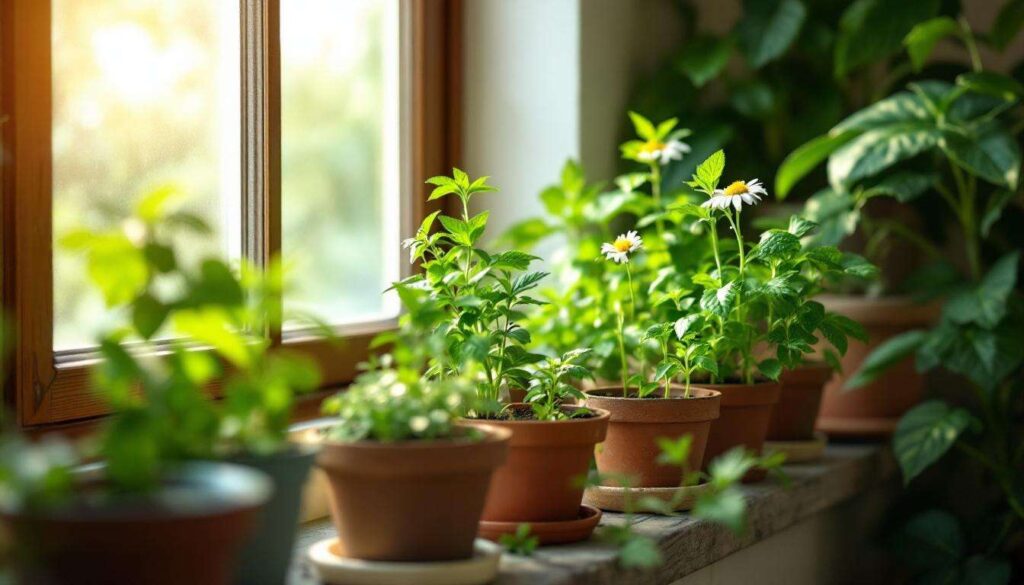
Most aromatic herbs, including chamomile, require six to eight hours of direct sunlight daily. South-facing windowsills in the Northern Hemisphere provide ideal conditions, though east or west exposures work adequately. Insufficient light causes leggy, weak growth and reduces the concentration of beneficial compounds in leaves and flowers.
Supplementing natural light
When natural light proves inadequate, particularly during winter months, LED grow lights offer an effective solution. Position lights 15-30 centimetres above plants and run them for 12-16 hours daily. Modern LED systems consume minimal electricity whilst providing the full spectrum plants need for robust growth and essential oil production.
Temperature and humidity considerations
Herbs generally prefer temperatures between 15-24 degrees Celsius, typical of most homes. Avoid placing plants near radiators or cold draughts from windows. Adequate air circulation prevents fungal issues without creating stressful wind conditions. A small fan running intermittently strengthens stems and reduces disease risk.
| Environmental factor | Ideal range | Common problem if incorrect |
|---|---|---|
| Temperature | 15-24°C | Stunted growth or bolting |
| Humidity | 40-60% | Powdery mildew or crispy leaves |
| Light duration | 6-8 hours direct sun | Leggy plants, poor flowering |
With proper location established, attention turns to maintaining plants and enjoying their bounty.
Harvesting and enjoying fresh herbs daily
When and how to harvest chamomile
Harvest chamomile flowers when fully open but before petals begin drooping, typically mid-morning after dew evaporates. Pinch or snip flowers just below the base, leaving foliage intact to support continued production. Regular harvesting encourages more blooms, extending the productive season considerably.
Maximising yield from limited space
Strategic harvesting techniques ensure continuous supply without depleting plants:
- Never remove more than one-third of plant material at once
- Harvest from different plants in rotation
- Pinch growing tips to encourage bushier growth
- Remove spent flowers promptly to redirect energy
Incorporating herbs into daily wellness routines
Beyond brewing tea, fresh herbs integrate into numerous stress-management practices. Add chamomile flowers to evening baths for aromatherapeutic benefits. Create sachets for drawers and pillows to promote relaxation. The versatility of homegrown herbs means you discover new applications as your garden matures and your confidence grows.
Establishing an indoor herb garden transforms your living space into a source of natural remedies whilst providing the therapeutic benefits of plant care itself. The combination of nurturing living things and harvesting fresh ingredients for calming preparations addresses stress from multiple angles. Whether you begin with a single chamomile plant or create a diverse collection of aromatic herbs, you gain both practical resources and a rewarding hobby that supports mental wellbeing. The modest investment of time and space yields returns that extend far beyond the immediate pleasure of fresh herbal tea, cultivating resilience and self-sufficiency that serve you through life’s inevitable challenges.