
Houseplants bring life and colour to our homes throughout the year, but winter poses particular challenges for even the most experienced plant enthusiasts. The combination of central heating, reduced daylight hours, and lower temperatures creates a complex environment that fundamentally alters how we should care for our indoor greenery. Understanding these seasonal changes is essential for maintaining healthy plants during the colder months, particularly when it comes to watering practices.
The importance of understanding water needs of plants in winter
The dormancy period and metabolic slowdown
During winter months, most houseplants experience a significant shift in their biological processes. Lower temperatures and reduced light levels trigger a natural slowdown in growth, with many species entering a semi-dormant state. This period of reduced activity is particularly pronounced in tropical plants, which have evolved to respond to seasonal changes despite being kept indoors. The photosynthesis process slows considerably, meaning plants require far less water to sustain their diminished metabolic functions.
Root activity and water absorption
The root systems of houseplants also become less active during winter. Cooler soil temperatures reduce the roots’ ability to absorb moisture efficiently, creating a situation where excess water can linger in the growing medium for extended periods. This stagnant moisture poses several risks:
- Increased susceptibility to root rot and fungal infections
- Oxygen deprivation in waterlogged soil
- Accumulation of mineral salts that can damage roots
- Weakened plant immunity leading to pest infestations
Understanding these fundamental changes in plant physiology helps explain why winter watering requirements differ dramatically from summer schedules. This knowledge forms the foundation for adjusting care routines appropriately.
Why dry air does not mean more watering
The humidity paradox
Central heating systems create an environment where indoor humidity levels can plummet to as low as 10%, far below the ideal range of 50% to 60% that most houseplants prefer. This extreme dryness causes rapid evaporation from leaf surfaces through a process called transpiration. Many plant owners mistakenly interpret signs of low humidity stress as indicators that their plants need more water at the roots, but this assumption can prove detrimental.
Distinguishing between soil moisture and air humidity
The confusion arises from failing to differentiate between two distinct environmental factors. Air humidity affects the leaves, whilst soil moisture affects the roots. These are separate issues requiring different solutions:
| Environmental Factor | Affected Plant Part | Winter Challenge | Appropriate Response |
|---|---|---|---|
| Air humidity | Leaves and stems | Very low (10-20%) | Increase ambient moisture |
| Soil moisture | Roots | Slower evaporation | Reduce watering frequency |
Symptoms of low humidity versus overwatering
Learning to identify the specific signs of each problem prevents inappropriate treatment. Low humidity typically manifests as browning leaf tips, crispy edges, and increased susceptibility to spider mites. Conversely, overwatering symptoms include yellowing leaves, mushy stems, and a stale odour from the soil. Responding to humidity issues by increasing watering frequency compounds problems rather than solving them, potentially leading to root rot whilst leaves continue to suffer from dry air.
Recognising this distinction naturally leads to the question of how to adjust watering practices appropriately for winter conditions.
Reducing watering frequency: a winter necessity
Abandoning rigid schedules
One of the most common mistakes in winter plant care involves adhering to fixed watering schedules established during warmer months. Plants respond to their environment, not to calendars. A routine that worked perfectly in summer becomes excessive and potentially harmful when applied without modification during winter. The key lies in observing individual plant needs and soil conditions rather than following predetermined timetables.
Checking soil moisture effectively
Before watering any houseplant during winter, proper assessment of soil moisture is essential. Several reliable methods exist:
- Insert a finger two inches deep into the soil to feel for dampness
- Use a wooden skewer or chopstick to check moisture at root level
- Lift the pot to gauge weight, as dry soil weighs significantly less
- Employ a moisture metre for precise readings in deeper containers
Adjusting for variable conditions
Even within winter, watering needs fluctuate based on daily conditions. A bright, sunny day may increase transpiration rates, whilst overcast periods reduce water consumption further. South-facing windowsills receive more light and warmth, potentially requiring more frequent watering than plants positioned in darker corners. Room temperature variations also play a role, with warmer spaces accelerating water use compared to cooler areas.
Once appropriate watering frequency is established, attention must turn to maintaining adequate humidity levels through alternative methods.
Tips for maintaining humidity of indoor plants
Increasing ambient moisture without overwatering
Addressing low humidity requires strategies that add moisture to the air rather than the soil. Grouping plants together creates a microclimate where transpiration from multiple specimens raises local humidity levels. This natural solution costs nothing and benefits all plants in the cluster.
Practical humidity-boosting techniques
Several effective methods can combat dry winter air:
- Place plants on trays filled with pebbles and water, ensuring pots sit above the waterline
- Position humidifiers near plant collections, aiming for 50-60% relative humidity
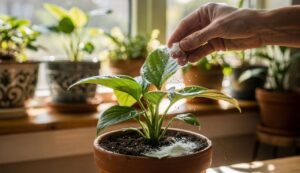
- Mist foliage regularly, preferably in the morning to allow leaves to dry before nightfall
- Keep plants away from direct heat sources like radiators and air vents
- Use open water containers near plants to increase evaporation
Monitoring humidity levels
A hygrometer provides valuable data about indoor humidity, allowing precise adjustments to environmental conditions. These inexpensive devices reveal when additional measures are needed and confirm when humidity levels reach optimal ranges. Regular monitoring helps establish patterns and identify which rooms provide the best conditions for specific plant species.
Humidity management works in tandem with another critical winter factor that significantly impacts plant health.
Light: a crucial factor in winter
Reduced daylight and plant metabolism
Shorter days and weaker sunlight during winter months dramatically affect plant physiology. Photosynthesis rates decrease proportionally to available light, which directly influences water consumption. A plant receiving less light produces less energy, grows more slowly, and consequently requires less water to support its reduced metabolic activity.
Optimising light exposure
Maximising available natural light helps maintain plant health during darker months. Consider these strategies:
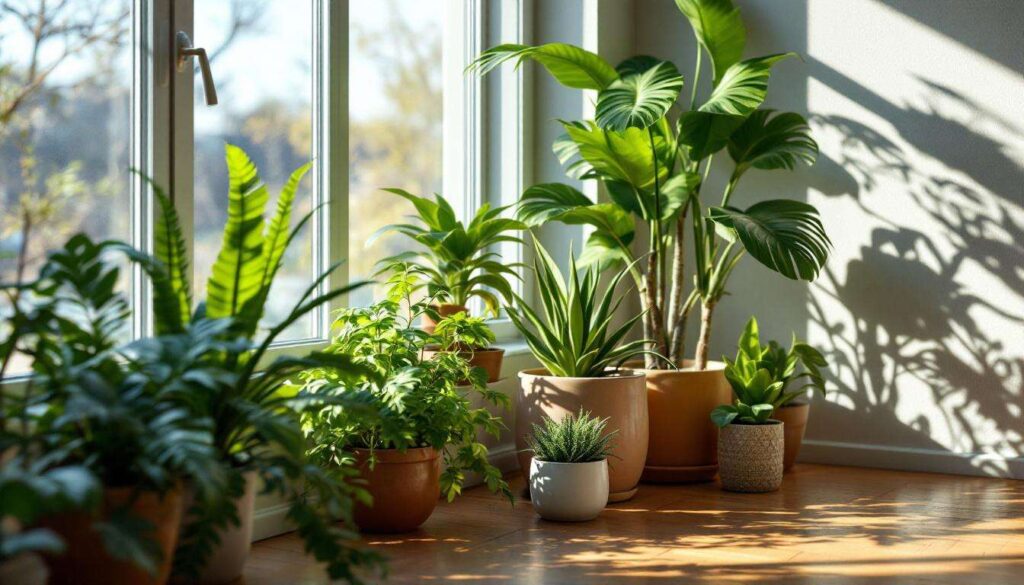
- Move plants closer to windows, particularly south-facing ones
- Clean windows regularly to remove grime that blocks light
- Rotate plants weekly to ensure even light distribution
- Use mirrors or reflective surfaces to bounce light towards plants
- Consider supplemental grow lights for light-hungry species
The light-water relationship
Understanding the connection between light levels and watering needs is fundamental. On bright winter days, plants may require slightly more water than during prolonged grey periods. This variability reinforces why flexible, observation-based watering approaches prove more successful than rigid schedules. Plants positioned in well-lit locations will naturally use more water than those in dimmer spots, even within the same room.
Beyond light and water considerations, physical environmental factors also demand attention during winter months.
Shocking plants from cold draughts
Temperature fluctuations and plant stress
Cold draughts represent a significant threat to houseplants during winter. Sudden temperature drops can cause cellular damage, leading to leaf drop, discolouration, and increased vulnerability to disease. Draughts commonly occur near windows, exterior doors, and poorly insulated walls, creating zones that appear suitable but actually subject plants to harmful conditions.
Identifying and avoiding draught zones
Several precautions protect plants from cold air currents:
- Keep plants away from frequently opened doors and windows
- Use curtains or blinds as insulation barriers during cold nights
- Avoid placing plants directly on cold windowsills without insulation
- Check for gaps around window frames that allow cold air infiltration
- Move plants away from windows during severe cold snaps
Maintaining stable conditions
Consistency matters more than specific temperature values for most houseplants. Whilst many species tolerate temperatures between 15-24°C, sudden fluctuations prove more damaging than steady cooler conditions. Evening temperatures naturally drop, but gradual changes allow plants to adjust, whereas draughts create shock that disrupts normal functions and increases water stress even when soil moisture remains adequate.
Successfully navigating winter plant care requires integrating all these elements into a cohesive approach. Reduced watering frequency must accompany humidity management, light optimisation, and protection from environmental stresses. The apparent contradiction between dry air and reduced watering needs resolves when we understand that plants’ water requirements stem from metabolic activity rather than ambient humidity levels. By observing individual plant responses, checking soil moisture before watering, and addressing humidity through appropriate methods, houseplants can thrive throughout the coldest months. This holistic understanding transforms winter from a challenging period into simply another season in the annual cycle of indoor plant care.