


Houseplant enthusiasts are constantly seeking natural, affordable solutions to keep their indoor gardens thriving. Among the various home remedies circulating in gardening communities, baking soda has emerged as a surprisingly versatile ally. This common kitchen staple offers multiple benefits for plant care, from combating fungal infections to deterring unwanted pests. However, understanding both its advantages and limitations proves essential for anyone considering incorporating this alkaline powder into their plant maintenance routine.
The impact of baking soda on houseplants
Creating an alkaline environment
Baking soda, chemically known as sodium bicarbonate, fundamentally alters the pH balance on plant surfaces when applied. This alkaline compound raises the pH level, creating conditions that are inhospitable to various fungal pathogens. The mechanism works because most fungi prefer slightly acidic to neutral environments, and the shift towards alkalinity disrupts their growth cycle effectively.
Combating fungal diseases
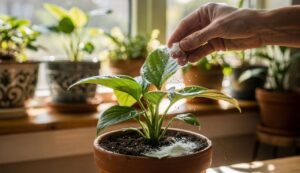
The most celebrated application of baking soda involves treating powdery mildew, a common fungal affliction that manifests as white, dusty patches on leaves. This disease thrives in warm, humid conditions typical of many indoor environments. When applied as a spray solution, baking soda addresses several fungal concerns:
- Powdery mildew on ornamental plants and herbs
- Early blight symptoms on foliage
- Leaf spot diseases caused by fungal pathogens
- Black spot on susceptible species
The preventative properties of baking soda make it particularly valuable when applied before fungal issues become established. Regular, light applications create a protective barrier that discourages spore germination and mycelial growth.
Soil pH modification considerations
Whilst baking soda primarily targets foliar issues, residual solution that reaches the soil can gradually affect substrate pH. This characteristic presents both opportunities and challenges depending on plant species and existing soil conditions. The sodium content deserves particular attention, as accumulation can lead to salt stress in sensitive specimens.
Understanding these fundamental impacts sets the foundation for exploring more specific applications, particularly regarding pest management strategies.
How baking soda protects against pests
Natural deterrent properties
Beyond its antifungal capabilities, baking soda demonstrates mild pesticidal effects that make it useful in integrated pest management. The compound’s ability to alter surface pH creates an uncomfortable environment for soft-bodied insects, whilst its desiccating properties affect pest survival rates.
Targeting specific pests
Baking soda solutions prove particularly effective against certain common houseplant pests:
- Aphids, which struggle with the alkaline residue on feeding surfaces
- Spider mites, whose delicate bodies are affected by pH changes
- Fungus gnats, as baking soda in soil discourages larval development
- Mealybugs, which find treated surfaces less hospitable
Application methodology for pest control
For pest management purposes, a slightly different approach proves optimal compared to fungal treatment. Combining baking soda with a small amount of liquid soap enhances coverage and adherence to leaf surfaces. The soap acts as a surfactant, helping the solution spread evenly and increasing contact with pest populations.
| Application Type | Baking Soda Amount | Water Volume | Additional Ingredients |
|---|---|---|---|
| Fungal prevention | 1 teaspoon | 1 litre | None required |
| Pest deterrent | 1 teaspoon | 1 litre | 2-3 drops liquid soap |
| Heavy infestation | 1.5 teaspoons | 1 litre | 5 drops liquid soap |
These protective qualities extend beyond immediate pest control, contributing to overall plant vigour and resilience.
Optimising growth with baking soda
Enhancing flowering potential
Some gardeners report improved flowering performance in certain houseplants when baking soda is used judiciously. This enhancement likely stems from reduced disease pressure rather than direct nutritional benefits. Healthy foliage photosynthesises more efficiently, providing energy reserves necessary for robust bloom production.
Supporting plant immunity
Regular, measured application of baking soda solutions can contribute to systemic plant health by maintaining clean leaf surfaces free from fungal colonisation. This preventative approach reduces stress on plants, allowing them to allocate resources towards growth rather than disease resistance.
Improving air circulation benefits
When used as part of a comprehensive care routine that includes proper spacing and ventilation, baking soda treatments complement environmental management strategies. The combination of physical and chemical approaches creates optimal conditions for vigorous growth.
However, achieving these benefits requires careful attention to application rates and timing, which brings us to essential safety considerations.
Precautions for using baking soda
Sodium accumulation risks
The primary concern with baking soda application centres on sodium content. Excessive use leads to salt build-up in growing media, which manifests through several symptoms:
- Leaf margin browning and crispy edges
- Stunted growth and reduced vigour
- White crusty deposits on soil surface
- Decreased water uptake efficiency
pH-sensitive species considerations
Certain houseplants require acidic soil conditions to thrive, making them particularly vulnerable to baking soda’s alkalising effects. Acid-loving species include:
- Azaleas and rhododendrons
- Gardenias and camellias
- Hydrangeas seeking blue flower production
- Ferns and peace lilies
Application frequency guidelines
Conservative use proves far safer than aggressive treatment schedules. A maximum application frequency of once weekly for active fungal issues, reducing to fortnightly for prevention, minimises risk whilst maintaining efficacy. Always apply to moist soil to prevent concentration effects.
Testing before widespread use
Prudent gardeners test baking soda solutions on individual leaves before treating entire plants. Wait 48 hours to observe any adverse reactions such as discolouration or tissue damage. This precautionary step prevents widespread damage to valuable specimens.
For those seeking additional options, several alternatives offer comparable benefits with different risk profiles.
Alternatives to baking soda for houseplants
Neem oil applications
This botanical extract provides broad-spectrum protection against both pests and fungal diseases. Neem oil works through multiple mechanisms, disrupting insect feeding and reproduction whilst also inhibiting fungal spore germination.
Chamomile tea treatments
Strongly brewed chamomile tea contains natural antifungal compounds that combat damping-off and other fungal issues. This gentle alternative suits delicate seedlings and sensitive species that might react poorly to baking soda.
Cinnamon powder applications
Ground cinnamon acts as a natural fungicide when dusted on soil surfaces or mixed into potting media. Its antimicrobial properties discourage fungal growth without altering pH significantly.
| Treatment Option | Primary Benefit | Application Difficulty | Cost Factor |
|---|---|---|---|
| Baking soda | Fungal control | Easy | Very low |
| Neem oil | Pest and disease | Moderate | Moderate |
| Chamomile tea | Gentle fungicide | Easy | Low |
| Cinnamon | Soil fungicide | Very easy | Low |
These alternatives provide flexibility for gardeners seeking to diversify their plant care toolkit whilst addressing specific concerns.
Enriching your indoor garden with baking soda
Developing a comprehensive care strategy
Incorporating baking soda effectively requires viewing it as one component within a holistic plant care approach. Success depends on balancing chemical interventions with proper cultural practices including appropriate watering, adequate lighting, and suitable humidity levels.
Monitoring and adjusting treatments
Attentive observation allows gardeners to fine-tune baking soda applications based on plant responses. Keep records of treatment dates, concentrations used, and observed outcomes to develop personalised protocols for your specific collection and growing conditions.
Integrating with seasonal care
Adjust baking soda use according to seasonal disease pressure. Higher humidity during winter months may necessitate more frequent preventative applications, whilst drier summer conditions might allow reduced treatment schedules.
Houseplant care continues evolving as gardeners share experiences and refine techniques. Baking soda represents an accessible, economical tool that, when used thoughtfully, contributes to healthier indoor gardens. The key lies in understanding both its capabilities and limitations, applying it judiciously whilst remaining alert to plant responses. By combining traditional wisdom with careful observation, indoor gardeners can harness this simple compound’s benefits whilst avoiding potential pitfalls, creating thriving green spaces that enhance living environments throughout the year.