

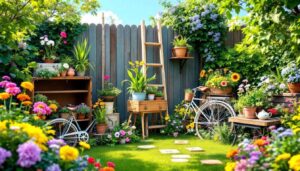
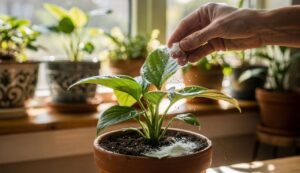
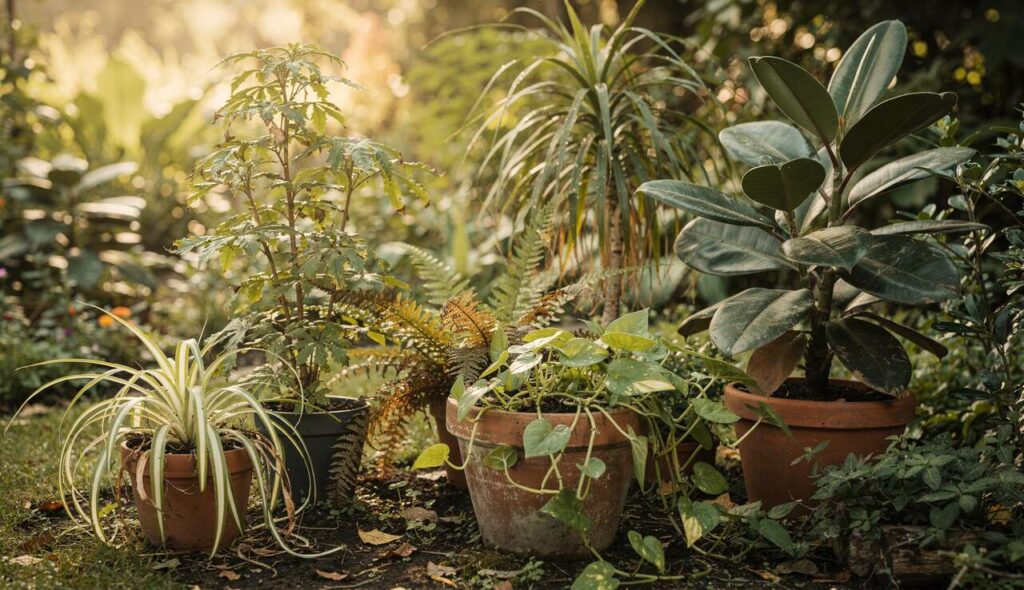
Gardens have long been subject to the whims of fashion, with certain plants falling in and out of favour as design trends evolve. Yet some species once considered old-fashioned are now experiencing a remarkable resurgence, as gardeners rediscover their practical benefits and aesthetic appeal. These six plants, dismissed by many as relics of a bygone era, are reclaiming their place in contemporary outdoor spaces with renewed vigour.
Geranium planters make a return to favour
The enduring appeal of pelargoniums
Often confused with their hardy cousins, pelargoniums have graced windowsills and balconies for generations. These cheerful plants, commonly known as geraniums, suffered a decline in popularity as minimalist garden designs took hold. However, their resilience and vibrant blooms are now attracting a new generation of enthusiasts who appreciate their low-maintenance nature and extended flowering period.
Modern cultivators are rediscovering the versatility of these plants in various settings:
- Container displays on patios and balconies
- Hanging baskets for vertical interest
- Mixed borders for continuous colour
- Traditional window boxes in urban settings
Practical benefits driving renewed interest
Beyond their aesthetic qualities, pelargoniums offer numerous practical advantages. They tolerate drought conditions remarkably well, requiring minimal watering once established. Their ability to flower prolifically from late spring through to the first frosts makes them economical choices for gardeners seeking long-lasting displays. Additionally, many varieties possess aromatic foliage that naturally deters certain pests, reducing the need for chemical interventions.
| Variety | Flower Colour | Height | Best Use |
|---|---|---|---|
| Zonal | Red, pink, white | 30-40cm | Bedding, containers |
| Ivy-leaved | Pink, purple, white | Trailing | Hanging baskets |
| Regal | Bi-colours | 40-50cm | Feature containers |
This renewed appreciation for geraniums naturally extends to other once-overlooked flowering plants that are similarly reclaiming their position in contemporary gardens.
The rise of fuchsia in modern gardens
Elegant blooms for shaded areas
Fuchsias, with their distinctive pendulous flowers, were once ubiquitous in British gardens before falling from grace. These shade-tolerant plants are now experiencing a renaissance as gardeners seek solutions for difficult north-facing spaces. Their delicate, dancer-like blooms add movement and grace to areas where many other flowering plants struggle to perform.
Contemporary garden designers are incorporating fuchsias in innovative ways that showcase their architectural qualities whilst respecting their growing requirements.
Expanding the colour palette
Modern breeding programmes have dramatically expanded the range of available cultivars, moving beyond the traditional pink and purple combinations. Gardeners can now select from varieties displaying white, orange, and even near-black flowers. Hardy varieties that survive winter temperatures outdoors have also increased in popularity, allowing for permanent planting schemes rather than treating them as seasonal annuals.
- Standard fuchsias for formal displays
- Trailing varieties for containers and baskets
- Hardy cultivars for mixed borders
- Bush forms for structural planting
Whilst fuchsias excel in shaded conditions, other rediscovered plants are proving their worth in sunnier locations, particularly those with edible qualities.
Nasturtium: a favourite of urban vegetable plots
Dual-purpose planting gains momentum
Nasturtiums represent the perfect intersection of ornamental beauty and culinary utility. These fast-growing annuals have become staples in urban vegetable gardens, where space constraints demand that every plant earn its place. Both flowers and leaves are entirely edible, offering a peppery flavour that enhances salads and garnishes.
The resurgence of interest in edible landscaping has positioned nasturtiums as essential components of productive gardens. Their ability to thrive in poor soil conditions makes them ideal for neglected corners and challenging sites where other plants might fail.
Companion planting benefits
Beyond their aesthetic and culinary contributions, nasturtiums serve valuable ecological functions within vegetable gardens. They act as sacrificial plants, attracting aphids away from more valuable crops. Their trailing habit provides living mulch that suppresses weeds whilst retaining soil moisture.
| Benefit | Application | Effectiveness |
|---|---|---|
| Aphid trap | Near brassicas | High |
| Ground cover | Around fruit trees | Moderate |
| Pollinator attraction | Vegetable beds | High |
Whilst nasturtiums bring colour and function to sunny vegetable plots, other plants are making their mark in shadier, more atmospheric garden areas.
Revival of ferns in green spaces
Creating textural interest without flowers
Ferns have emerged from decades of neglect to become celebrated components of contemporary planting schemes. These ancient plants offer sophisticated foliage interest throughout the growing season, providing relief from the constant demand for floral colour. Their architectural fronds create layers of texture that complement flowering plants whilst standing alone as features in their own right.
The growing appreciation for naturalistic planting styles has accelerated the fern revival, particularly in woodland gardens and shaded courtyards where their prehistoric elegance feels entirely appropriate.
Low-maintenance appeal
Modern gardeners, often time-poor, appreciate that ferns require minimal intervention once established in suitable conditions. They rarely suffer from pest problems, need no deadheading, and many species are remarkably drought-tolerant despite their reputation for requiring damp conditions.
- Evergreen varieties provide year-round structure
- Deciduous types offer seasonal interest through unfurling fronds
- Compact forms suit small urban gardens
- Large specimens create dramatic focal points
As gardeners embrace foliage plants like ferns, they are also rediscovering flowering species that bring exotic flair to temperate gardens.
Bougainvillea: a touch of rediscovered exoticism
Mediterranean influences in British gardens
Bougainvillea, long associated with sun-drenched Mediterranean holidays, is finding new appreciation amongst British gardeners willing to provide appropriate conditions. These spectacular climbers produce vibrant papery bracts in shades of magenta, orange, and white, creating dramatic displays that evoke warmer climates. Whilst they require protection during winter months, their impact during the growing season justifies the additional effort.
The increasing availability of conservatories and heated greenhouses has made cultivating these tender plants more feasible, allowing gardeners to enjoy their exotic beauty without travelling abroad.
Container cultivation techniques
Most British gardeners grow bougainvillea in containers that can be moved to protected locations during cold weather. This approach allows for precise control over growing conditions, particularly the well-drained soil and full sun exposure these plants demand. Regular pruning maintains manageable sizes whilst encouraging the production of flowering shoots.
| Aspect | Requirement | Frequency |
|---|---|---|
| Watering | Moderate | Weekly in summer |
| Feeding | High potash | Fortnightly when flowering |
| Pruning | Hard cut back | Late winter |
Whilst bougainvillea brings Mediterranean drama to British gardens, other plants offer more understated charm that appeals to those seeking subtler beauty.
The subtle charm of begonias
Versatile performers for varied conditions
Begonias encompass an enormous range of species and hybrids, many of which were dismissed as overly formal or fussy. Contemporary gardeners are rediscovering their remarkable versatility, with varieties suited to almost every garden situation. Tuberous begonias provide spectacular summer displays, whilst rex begonias offer stunning foliage patterns for indoor cultivation or sheltered outdoor positions.
The development of new cultivars with improved weather resistance has expanded their potential applications, making them reliable choices for unpredictable British summers.
Year-round interest from diverse types
Different begonia types serve distinct purposes within planting schemes. Fibrous-rooted varieties excel as bedding plants, providing continuous flowers from late spring until autumn frosts. Trailing begonias suit hanging baskets and containers, whilst upright types create focal points in mixed borders.
- Semperflorens begonias for reliable bedding displays
- Tuberous varieties for containers and borders
- Rex begonias for foliage interest
- Trailing types for vertical planting
Their tolerance of partial shade makes them valuable for brightening areas beneath trees or on north-facing patios where many flowering plants struggle to perform adequately.
These six plants demonstrate that horticultural fashion operates in cycles, with yesterday’s rejects becoming tomorrow’s must-have specimens. Their revival reflects broader trends towards sustainable gardening practices, appreciation of reliable performers, and recognition that beauty takes many forms. As gardeners continue to explore beyond current trends, these once-unfashionable plants are proving their enduring worth through practical benefits, aesthetic appeal, and remarkable adaptability to diverse growing conditions.