
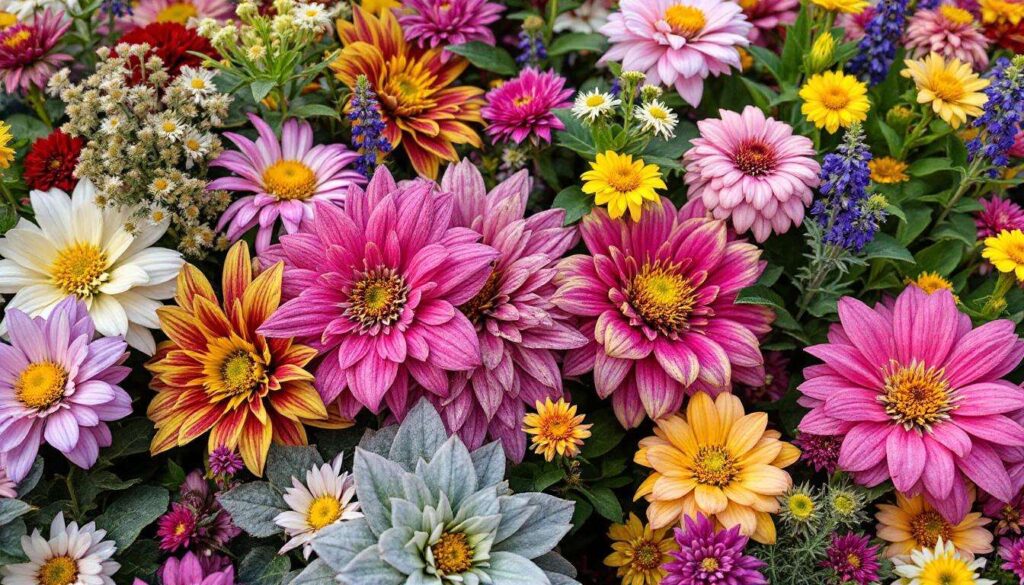
Gardens across the nation witnessed a remarkable shift in planting preferences as environmental awareness merged with aesthetic ambitions. Homeowners embraced species that offered multiple benefits, from supporting pollinators to providing edible harvests, whilst landscape designers championed varieties that thrived with minimal intervention. This convergence of sustainability and beauty redefined what constituted a successful garden, with ten particular plants emerging as clear favourites amongst both novice and experienced gardeners.
Introduction to gardening trends in 2026
The rise of climate-conscious planting
Gardeners demonstrated unprecedented awareness of climate adaptation when selecting plants, prioritising species that could withstand increasingly unpredictable weather patterns. Drought-tolerant varieties gained significant traction, whilst plants requiring excessive watering fell dramatically out of favour. This shift reflected broader concerns about water conservation and the need for resilient garden ecosystems capable of thriving through temperature fluctuations and irregular rainfall.
Technology’s influence on plant selection
Digital tools transformed how people chose their plants, with mobile applications providing instant information about:
- Soil compatibility and pH requirements
- Local climate suitability ratings
- Pollinator attraction scores
- Maintenance difficulty levels
- Companion planting recommendations
These technological advances democratised gardening knowledge, enabling beginners to make informed decisions previously reserved for horticultural experts. Social media platforms amplified certain plant varieties, creating viral trends that drove demand in nurseries nationwide.
The sustainability imperative
Environmental considerations became non-negotiable for the majority of gardeners, with carbon sequestration potential and biodiversity support ranking alongside traditional aesthetic criteria. Native species experienced renewed popularity as gardeners recognised their superior ecological value, whilst exotic imports faced scrutiny regarding their environmental footprint and potential invasiveness.
These fundamental shifts in gardening philosophy set the stage for examining which specific flowering plants captured gardeners’ imaginations and wallets.
Must-have flowering plants
Echinacea: the pollinator powerhouse
Echinacea varieties dominated garden centres, with their vibrant daisy-like blooms attracting butterflies and bees whilst requiring minimal maintenance. Gardeners appreciated their extended flowering period from midsummer through autumn, providing continuous colour when many other perennials faded. The plant’s medicinal properties added functional appeal, with many cultivating it for immune-boosting herbal preparations.
Lavender’s enduring appeal
Lavender secured its position as an indispensable garden staple, valued for its aromatic foliage and drought resistance. The following varieties proved particularly popular:
- Hidcote: compact growth and deep purple flowers
- Grosso: exceptional fragrance for culinary uses
- Phenomenal: superior cold hardiness
Beyond ornamental value, gardeners harvested lavender for sachets, cooking, and natural cleaning products, maximising returns from limited garden space.
Salvia: versatility in bloom
Salvia species exploded in popularity, offering remarkable colour diversity from electric blues to fiery reds. Their tubular flowers attracted hummingbirds and long-tongued bees, whilst their aromatic leaves deterred many common garden pests naturally. Varieties like Salvia nemorosa ‘Caradonna’ and Salvia ‘Hot Lips’ became particularly sought-after for their extended blooming periods and architectural presence in borders.
| Flowering Plant | Bloom Period | Water Needs | Pollinator Value |
|---|---|---|---|
| Echinacea | June-October | Low-Medium | Excellent |
| Lavender | June-August | Low | High |
| Salvia | May-September | Low-Medium | Excellent |
Whilst these flowering beauties provided visual interest, many gardeners simultaneously channelled energy into productive plantings that delivered fresh harvests.
Favourite vegetables for gardeners
Heritage tomatoes reclaim dominance
Heritage tomato varieties experienced a renaissance, with gardeners rejecting uniform supermarket offerings in favour of flavour-rich heirlooms. Varieties such as ‘Brandywine’, ‘Cherokee Purple’, and ‘Green Zebra’ commanded premium prices at seed exchanges, their complex flavours and varied colours transforming home cooking. Gardeners embraced the challenge of cultivating these sometimes temperamental plants, viewing successful harvests as badges of horticultural achievement.
Courgettes: the reliable producer
Courgettes maintained their status as the ultimate beginner-friendly vegetable, offering abundant harvests from compact plants. Their prolific nature occasionally overwhelmed gardeners, spawning countless recipes for courgette bread, fritters, and preserves. Yellow varieties gained ground alongside traditional green cultivars, adding visual diversity to vegetable patches.
Kale’s continued reign
Kale solidified its position as a cold-season champion, with gardeners appreciating its:
- Exceptional frost tolerance
- Continuous harvest capability
- Nutritional density
- Ornamental foliage in purple and variegated forms
Varieties like ‘Cavolo Nero’ and ‘Red Russian’ featured prominently in both vegetable gardens and ornamental borders, blurring traditional distinctions between productive and decorative plantings.
Rainbow chard’s aesthetic appeal
Rainbow chard became a dual-purpose sensation, offering vibrant stems in pink, yellow, orange, and red alongside nutritious leaves. Gardeners positioned it as an ornamental focal point whilst harvesting regularly for salads and sautés, demonstrating that vegetables need not be relegated to hidden plots.
As vegetable gardens flourished, structural plantings provided essential frameworks that defined outdoor spaces throughout the seasons.
Trending shrubs for outdoor space design
Hydrangeas: the versatile foundation plant
Hydrangeas dominated shrub sales, with paniculata varieties particularly favoured for their reliable flowering and adaptability to various soil conditions. Their substantial presence anchored mixed borders, whilst their dried flower heads provided winter interest long after other plants retreated. Gardeners appreciated their ability to thrive in partial shade, solving challenging planting scenarios beneath trees.
Amelanchier: multi-season interest
Amelanchier species gained recognition as supreme four-season performers, offering spring blossoms, edible summer berries, spectacular autumn foliage, and attractive winter bark. Their relatively compact size suited modern gardens, whilst their wildlife value aligned with ecological gardening principles. Birds feasted on the berries, creating animated garden scenes that delighted observers.
Ornamental grasses for movement
Grasses such as Miscanthus and Calamagrostis introduced dynamic movement and texture to garden designs, their rustling foliage adding sensory dimensions beyond visual appeal. Their low maintenance requirements and drought tolerance made them practical choices, whilst their architectural seed heads provided structure through winter months.
Beyond ornamental and structural plantings, a renewed interest in traditional plant medicine drove demand for specific therapeutic species.
Popular medicinal plants in 2026
Calendula for skin remedies
Calendula officinalis experienced surging popularity as gardeners rediscovered its healing properties for skin conditions. Its cheerful orange and yellow flowers brightened borders whilst petals were harvested for infused oils, salves, and tinctures. The plant’s ease of cultivation from seed and self-seeding habit made it accessible to novice herbalists.
Lemon balm’s calming influence
Lemon balm became a garden staple for those seeking natural stress relief, its citrus-scented leaves brewed into soothing teas. Gardeners valued its vigorous growth and ability to thrive in various conditions, though many contained it in pots to prevent excessive spreading. Its attraction to pollinators provided additional ecological justification for its inclusion.
Chamomile for digestive health
Both Roman and German chamomile varieties found places in gardens, cultivated for their:
- Digestive soothing properties
- Sleep-promoting effects
- Anti-inflammatory compounds
- Delicate apple-scented flowers
These medicinal plants reflected broader movements towards self-sufficiency and natural health approaches, trends that intersected with environmental consciousness in garden practices.
New developments in eco-friendly gardening
Peat-free compost adoption
Gardeners overwhelmingly embraced peat-free growing media, recognising the environmental damage caused by peat extraction. Coir-based and green waste composts became standard, with gardeners adjusting watering and feeding regimes to accommodate these alternative substrates. This shift represented a significant victory for conservation campaigns that had long highlighted peatland destruction.
Rainwater harvesting systems
Water conservation infrastructure became commonplace, with water butts and sophisticated collection systems appearing in gardens of all sizes. Gardeners recognised that harvested rainwater, free from chlorine and other chemicals, actually benefited plant health whilst reducing mains water consumption. Underground storage tanks gained popularity amongst those with larger gardens and budgets.
Companion planting strategies
Scientific validation of traditional companion planting methods encouraged widespread adoption of these techniques. Gardeners strategically positioned plants to:
- Deter pests through aromatic confusion
- Attract beneficial predatory insects
- Improve soil nutrition through nitrogen fixation
- Provide structural support between species
This integrated approach reduced reliance on chemical interventions, creating more balanced garden ecosystems that required less human management.
Native plant corridors
Gardeners increasingly viewed their plots as components of larger ecological networks, deliberately creating corridors that connected habitats. Native hedgerows replaced sterile fencing, whilst lawn areas shrank to accommodate diverse plantings that supported insects, birds, and small mammals. This perspective shift transformed gardens from isolated ornamental spaces into functional elements of broader environmental restoration efforts.
The ten plants that dominated gardens represented more than passing fads; they embodied a fundamental recalibration of priorities. Gardeners successfully balanced aesthetic desires with environmental responsibilities, selecting species that delivered beauty whilst supporting ecosystems. The integration of edible, medicinal, and ornamental plants within single spaces maximised functionality without compromising visual appeal. These choices reflected growing sophistication amongst gardeners who recognised that sustainable practices and stunning gardens were not mutually exclusive but rather complementary goals. The year’s planting trends suggested a maturing relationship between people and their outdoor spaces, one characterised by respect for natural processes and commitment to ecological stewardship.