


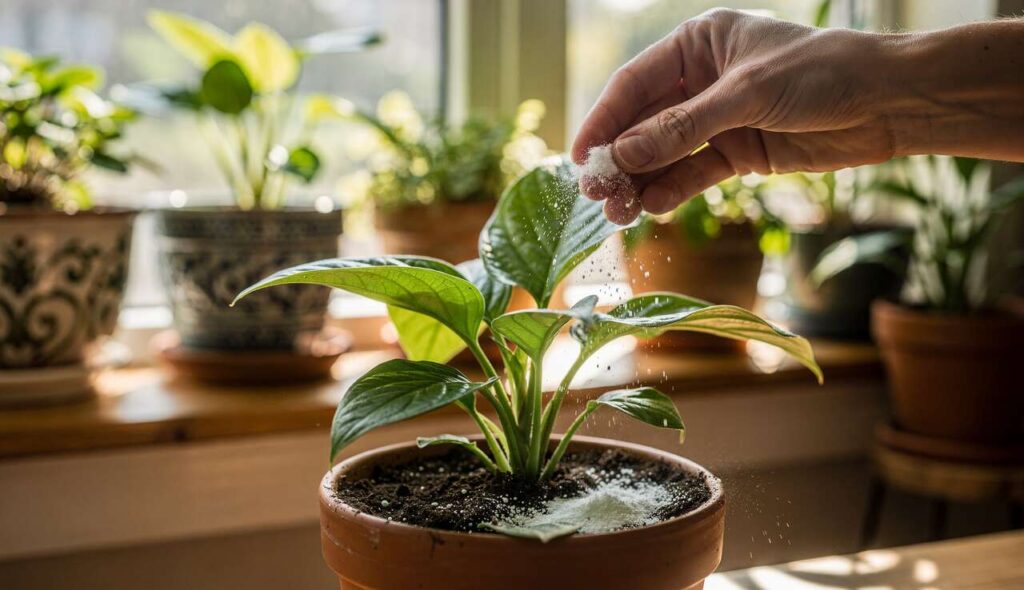
Houseplant enthusiasts are constantly seeking natural, cost-effective solutions to keep their indoor gardens thriving. Among the most surprising yet effective options is a common kitchen staple: baking soda. This versatile white powder, scientifically known as sodium bicarbonate, has earned its place in plant care routines across households worldwide. Its mild alkalinity and antifungal properties make it an invaluable tool for maintaining healthy houseplants whilst avoiding harsh chemicals. Understanding how to properly incorporate baking soda into your plant care regime can transform the vitality of your indoor greenery.
Why use baking soda for your houseplants
Natural antifungal properties
Baking soda serves as a powerful natural fungicide that combats various fungal infections affecting houseplants. Its alkaline nature creates an inhospitable environment for fungal spores, preventing their growth and spread. Many common houseplant ailments, including powdery mildew and black spot, respond remarkably well to baking soda treatments.
Cost-effectiveness and accessibility
Unlike specialised commercial products, baking soda offers exceptional value for money. Most households already have this ingredient in their pantries, eliminating the need for expensive trips to garden centres. The minimal quantities required for effective treatment mean a single box can last through multiple growing seasons.
Environmental considerations
Choosing baking soda aligns with sustainable gardening practices. The compound biodegrades naturally without leaving harmful residues in soil or water systems. This eco-friendly approach protects both your indoor environment and the broader ecosystem whilst maintaining plant health.
Beyond these fundamental advantages, baking soda’s versatility extends to multiple plant health applications that directly impact growth and vitality.
The benefits of baking soda for plant health
Disease prevention and management
Regular application of diluted baking soda solution creates a protective barrier against fungal pathogens. This preventative measure proves particularly valuable during humid conditions when fungal infections proliferate. Plants treated with baking soda demonstrate increased resistance to common diseases that typically plague indoor environments.
Soil pH adjustment
Baking soda can help neutralise overly acidic soil conditions, though this application requires careful consideration. Some houseplants thrive in slightly alkaline environments, making modest pH adjustments beneficial. Testing soil pH before treatment ensures appropriate application for specific plant species.
Pest deterrence capabilities
Whilst not a primary pesticide, baking soda offers secondary pest control benefits. The substance can discourage certain soft-bodied insects and create conditions less favourable for pest establishment. Combined with other natural methods, it contributes to comprehensive pest management strategies.
- Reduces fungal spore viability on leaf surfaces
- Strengthens plant cell walls against pathogen invasion
- Improves overall plant resilience to environmental stressors
- Maintains cleaner foliage by preventing disease spots
These health benefits naturally complement baking soda’s role in promoting vigorous plant development and enhanced growth patterns.
How baking soda enhances plant growth
Improved nutrient absorption
By moderating soil pH levels, baking soda can facilitate better nutrient uptake in certain plant varieties. When soil acidity interferes with nutrient availability, small pH adjustments unlock essential minerals that support robust growth. This optimisation leads to healthier foliage and stronger root systems.
Enhanced photosynthesis efficiency
Cleaner leaf surfaces free from fungal growth allow maximum light absorption for photosynthesis. Plants treated with baking soda maintain clearer foliage, enabling optimal energy production. This improved photosynthetic capacity translates directly into accelerated growth rates and more vigorous development.
Stress reduction mechanisms
Plants constantly battling fungal infections expend considerable energy on defence rather than growth. Baking soda applications reduce this physiological stress, allowing plants to redirect resources towards productive growth. The result manifests as fuller foliage, stronger stems, and improved overall vitality.
Understanding proper application techniques ensures these growth benefits materialise without risking plant damage through improper use.
Methods of applying baking soda to plants
Foliar spray preparation
The most common application method involves creating a diluted foliar spray solution. Mix one teaspoon of baking soda with one litre of water, adding a few drops of liquid soap to improve adherence. Apply this mixture using a spray bottle, ensuring thorough coverage of both upper and lower leaf surfaces.
Soil amendment technique
For pH adjustment purposes, direct soil application requires extreme caution. Dissolve a small quantity in water before applying to avoid concentrated deposits. Always test on a small area first and monitor plant response before treating entire pots.
Application frequency guidelines
Treatments should occur every seven to fourteen days during active growing seasons. Reduce frequency during dormant periods when plant metabolic activity decreases. Morning applications allow foliage to dry before evening, minimising fungal growth risks.
| Application Type | Concentration | Frequency |
|---|---|---|
| Foliar spray | 1 tsp per litre | Weekly to fortnightly |
| Soil treatment | 0.5 tsp per litre | Monthly maximum |
| Preventative maintenance | 0.5 tsp per litre | Fortnightly |
Whilst these methods prove effective, responsible use requires awareness of potential risks and appropriate safety measures.
Precautions to take with baking soda
Concentration considerations
Excessive baking soda concentrations can damage delicate plant tissues and disrupt beneficial soil microorganisms. Always adhere to recommended dilution ratios and avoid the temptation to strengthen solutions for supposedly faster results. More concentrated applications typically cause harm rather than accelerated benefits.
Plant-specific sensitivities
Certain houseplant species demonstrate heightened sensitivity to alkaline conditions. Acid-loving plants such as azaleas, gardenias, and ferns may suffer from even modest baking soda applications. Research individual plant requirements before implementing any treatment regime.
Monitoring and adjustment protocols
Regular observation remains essential for detecting adverse reactions. Watch for signs including leaf yellowing, browning edges, or stunted growth that might indicate excessive application. Discontinue use immediately if negative symptoms appear and flush soil thoroughly with plain water.
- Never apply baking soda to dry soil without prior watering
- Avoid treating plants during extreme heat or direct sunlight
- Test solutions on single leaves before full application
- Keep detailed records of application dates and plant responses
These precautionary measures provide context for evaluating baking soda against alternative natural plant care solutions.
Comparison with other natural remedies for houseplants
Neem oil versus baking soda
Neem oil offers broader spectrum pest control but proves more expensive and requires careful application to avoid leaf damage. Baking soda excels specifically at fungal prevention whilst neem addresses both pests and diseases. Many gardeners combine both treatments for comprehensive plant protection.
Vinegar as an alternative
White vinegar provides acidifying properties opposite to baking soda, making it suitable for different plant types and soil conditions. Acid-loving plants benefit from diluted vinegar applications, whilst alkaline-preferring species respond better to baking soda. Understanding your plants’ pH preferences determines the appropriate choice.
Commercial fungicides comparison
Chemical fungicides deliver more aggressive pathogen control but introduce synthetic compounds into indoor environments. Baking soda provides gentler action with fewer health concerns for household occupants and pets. The trade-off involves potentially slower results requiring more consistent application schedules.
| Remedy | Primary Benefit | Cost | Environmental Impact |
|---|---|---|---|
| Baking soda | Fungal prevention | Very low | Minimal |
| Neem oil | Pest and disease control | Moderate | Low |
| Vinegar | pH adjustment | Very low | Minimal |
| Commercial fungicides | Aggressive disease control | High | Moderate to high |
Baking soda represents a practical, accessible solution for maintaining houseplant health through its antifungal properties and gentle pH-adjusting capabilities. When applied correctly at appropriate concentrations, it prevents common fungal diseases whilst supporting improved growth conditions. The key to success lies in understanding proper dilution ratios, respecting plant-specific sensitivities, and maintaining consistent but moderate application schedules. Compared to alternative remedies, baking soda offers exceptional value and environmental friendliness, though it works best as part of a holistic plant care approach rather than a standalone solution. By incorporating this simple kitchen ingredient thoughtfully into your houseplant routine, you can achieve healthier, more resilient indoor gardens without resorting to harsh chemicals or expensive commercial products.