


Gardeners constantly seek simple, cost-effective solutions to protect their seedlings and young plants from unwanted visitors. The plastic fork trick has emerged as a surprisingly effective method, transforming ordinary disposable cutlery into a defensive barrier against various garden pests. This ingenious approach requires minimal investment whilst delivering notable results for those struggling with persistent intruders in their vegetable patches and flower beds.
Introduction to the plastic fork trick
What the method involves
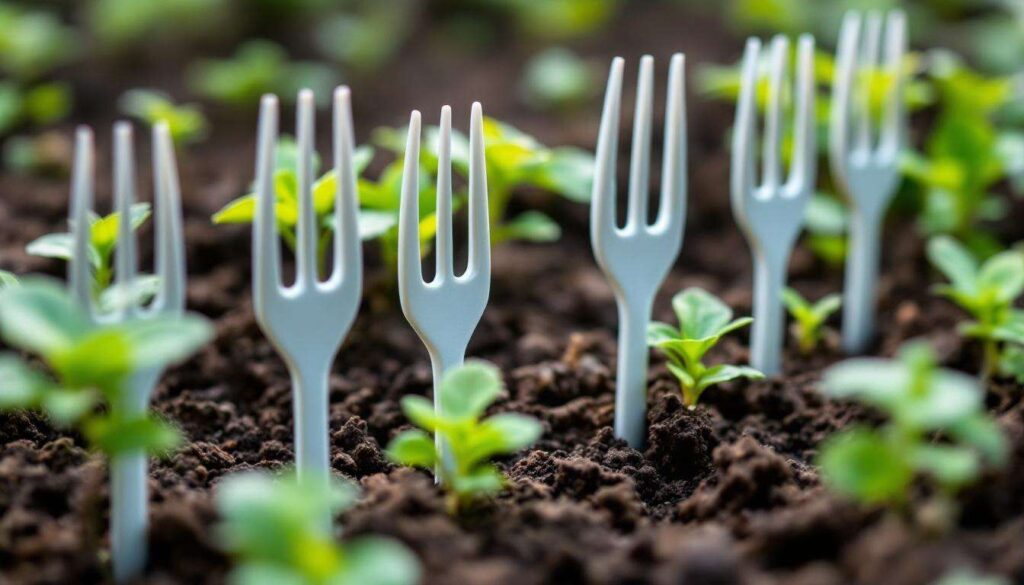
The plastic fork trick consists of strategically placing disposable plastic forks around vulnerable plants, with the tines pointing upwards. Gardeners insert the handles into the soil, creating a protective perimeter that physically deters animals from approaching young seedlings. This method has gained traction through gardening communities and social media platforms, where practitioners share their success stories and variations on the technique.
The simplicity of this approach makes it accessible to gardeners of all experience levels. Unlike complex pest control systems, it requires no special skills or equipment beyond readily available plastic forks. Many households already possess these items, making implementation immediate and budget-friendly.
Historical context and growing popularity
Whilst the exact origins remain unclear, the plastic fork method represents part of a broader movement towards sustainable and non-toxic pest management. Gardeners increasingly favour physical barriers over chemical deterrents, particularly when growing edible crops. This shift reflects growing environmental awareness and concerns about pesticide residues on homegrown produce.
The technique’s popularity has spread rapidly through online gardening forums and video demonstrations, with countless gardeners documenting their experiences. This grassroots endorsement has established the method as a legitimate option within the repertoire of organic gardening practices.
Understanding why this simple tool works requires examining the behavioural patterns of common garden pests and their responses to physical obstacles.
Why are plastic forks effective ?
Physical barrier properties
The effectiveness of plastic forks stems primarily from their ability to create an uncomfortable physical barrier. The upward-pointing tines present an obstacle that animals instinctively avoid, particularly when approaching delicate plants to dig or feed. The spacing between individual tines proves sufficient to deter paws and snouts without causing actual harm to visiting creatures.
Key advantages of this physical deterrent include:
- Immediate deployment without waiting periods
- Visible warning to animals before contact
- Adjustable density based on pest pressure
- Weather-resistant durability throughout growing seasons
- Non-toxic protection safe for organic gardens
Psychological deterrent factor
Beyond the physical aspect, the forks function as a psychological deterrent. Animals encountering the unexpected texture and resistance often associate the area with discomfort, discouraging return visits. This learned avoidance can provide long-term protection even if some forks become displaced or damaged over time.
The visual presence of the forks also signals to animals that the area has been modified by humans, potentially triggering wariness in species that have learnt to avoid human-altered environments. This multi-sensory deterrent combines touch, sight, and spatial awareness to create an effective defence system.
Different garden visitors respond variably to this intervention, with some species proving more susceptible than others to fork-based deterrence.
The different types of pests deterred
Mammals commonly affected
The plastic fork method demonstrates particular effectiveness against digging mammals that disturb soil around young plants. Cats frequently use freshly tilled garden beds as litter areas, uprooting seedlings in the process. The forks create an unwelcoming surface that discourages this behaviour without harming the animals.
| Pest type | Deterrence effectiveness | Primary behaviour prevented |
|---|---|---|
| Cats | High | Digging and defecating |
| Squirrels | Moderate to high | Bulb excavation and seed theft |
| Rabbits | Moderate | Nibbling young shoots |
| Foxes | Low to moderate | Digging and scent marking |
Squirrels find the forks particularly troublesome when attempting to dig up freshly planted bulbs or bury nuts. The tines interfere with their digging motions, frustrating their efforts sufficiently to encourage them to seek easier locations.
Birds and other visitors
Whilst primarily designed for ground-dwelling pests, plastic forks offer limited protection against birds. Larger species that scratch through mulch or soil may be discouraged by the obstacles, though determined birds can often navigate around individual forks. Smaller birds typically ignore the forks entirely, as they pose no impediment to their feeding behaviour.
The method proves less effective against:
- Slugs and snails that easily manoeuvre between tines
- Flying insects unaffected by ground-level barriers
- Burrowing rodents that tunnel beneath the surface
- Deer and larger mammals that step over low obstacles
Achieving optimal results requires proper installation techniques that maximise coverage whilst allowing plant growth and garden maintenance.
How to properly install the forks
Spacing and positioning guidelines
Effective fork placement demands attention to spacing and density. Position forks approximately 5 to 10 centimetres apart, creating a grid pattern around protected plants. This spacing prevents animals from accessing soil between forks whilst leaving sufficient room for plant growth and watering activities.
Insert forks with tines pointing vertically upward, pushing handles 3 to 5 centimetres into the soil for stability. Ensure forks stand firmly upright rather than leaning, as angled forks reduce effectiveness and may collapse under weather conditions. The tines should rise slightly above the soil surface and any surrounding mulch layer.
Coverage area considerations
Determine coverage area based on plant vulnerability and pest pressure. Newly transplanted seedlings require complete perimeter protection, with forks forming an unbroken barrier around the entire root zone. As plants mature and develop stronger root systems, coverage can be reduced or removed entirely.
Installation steps include:
- Clear debris and level soil before inserting forks
- Start from the plant centre and work outward in concentric circles
- Maintain consistent spacing throughout the protected area
- Test stability by gently pressing each fork to ensure secure placement
- Add additional forks in areas showing pest activity
Seasonal adjustments
Modify fork arrangements according to seasonal pest patterns. Spring installation protects emerging seedlings during peak planting season when soil disturbance attracts curious animals. Autumn deployments safeguard newly planted bulbs from squirrels and other foragers preparing for winter.
Remove or reposition forks when performing garden maintenance tasks such as weeding or fertilising. Replace damaged or displaced forks promptly to maintain barrier integrity throughout the growing season.
Beyond basic installation, several enhancement strategies can improve the fork method’s overall performance and longevity.
Tips for maximising effectiveness
Combining with companion strategies
The plastic fork technique works best when integrated with complementary deterrent methods. Combine physical barriers with scent-based repellents such as garlic spray or predator urine to create multi-layered protection. This approach addresses both the physical and olfactory senses of potential intruders, significantly increasing deterrence success rates.
Motion-activated sprinklers paired with fork barriers provide an additional surprise element that reinforces avoidance behaviour. Animals encountering both physical discomfort and unexpected water spray develop stronger negative associations with protected areas.
Maintenance and replacement schedule
Regular inspection ensures continued effectiveness of fork installations. Weekly checks during active growing periods allow prompt identification of displaced or damaged forks. Weather events, particularly strong winds and heavy rainfall, can dislodge forks or bury them beneath displaced soil and mulch.
Enhancement recommendations include:
- Replacing brittle or sun-damaged forks before they break
- Increasing fork density in areas with persistent pest activity
- Rotating fork colours to maintain visual deterrent impact
- Cleaning soil buildup from tines to preserve tactile deterrence
- Documenting effective configurations for future reference
Adapting to specific garden conditions
Tailor the fork method to suit particular garden environments and challenges. Raised beds benefit from perimeter-focused installations that prevent animals from accessing bed edges. Container gardens may require fewer forks placed strategically around vulnerable specimens rather than comprehensive coverage.
In gardens with heavy mulch layers, ensure fork tines extend sufficiently above the surface to remain effective. Sandy soils may require deeper insertion to prevent forks from loosening, whilst clay soils might need pre-made holes to avoid handle breakage during installation.
Gardeners seeking comprehensive protection often explore additional natural methods that complement or extend beyond the fork technique.
Other natural tips for garden protection
Plant-based deterrents
Strategic planting of naturally repellent species creates living barriers against common pests. Lavender, rosemary, and marigolds emit scents that many animals find unpleasant, discouraging them from entering protected areas. Interplanting these species among vegetables and ornamentals provides ongoing protection without ongoing maintenance.
Thorny or prickly plants such as roses, berberis, and holly function similarly to plastic forks, creating physical discomfort that deters animal traffic. Position these plants along garden perimeters or around particularly vulnerable specimens for natural fortification.
Habitat modification strategies
Reducing garden attractiveness to pests proves equally important as active deterrence. Remove food sources and shelter opportunities that draw unwanted visitors. Secure compost bins prevent scavenging, whilst clearing brush piles eliminates hiding spots for rabbits and other small mammals.
Additional natural protection methods include:
- Installing wildlife-friendly fencing with appropriate mesh sizes
- Creating designated wild areas to redirect animal activity
- Using copper tape barriers against slugs and snails
- Establishing bird boxes to encourage natural pest predators
- Applying organic mulches that deter certain insect populations
Biological control options
Encouraging beneficial predators establishes natural pest management systems. Hedgehogs consume slugs and insects, whilst birds feed on caterpillars and aphids. Providing appropriate habitats such as log piles, native plantings, and water sources attracts these helpful species to gardens.
Nematodes and other microscopic organisms offer targeted control against specific pests without harming plants or beneficial insects. These biological agents integrate seamlessly with physical deterrents like plastic forks, creating comprehensive protection systems grounded in ecological principles.
The plastic fork method represents an accessible entry point into natural pest management, offering immediate protection whilst gardeners develop broader sustainable practices. This simple technique demonstrates that effective solutions need not involve expensive products or complex installations. Combined with complementary strategies such as companion planting, habitat modification, and biological controls, plastic forks contribute to resilient gardens that balance productivity with environmental responsibility. Success requires attention to proper installation, regular maintenance, and willingness to adapt approaches based on observed pest behaviour and seasonal patterns.