



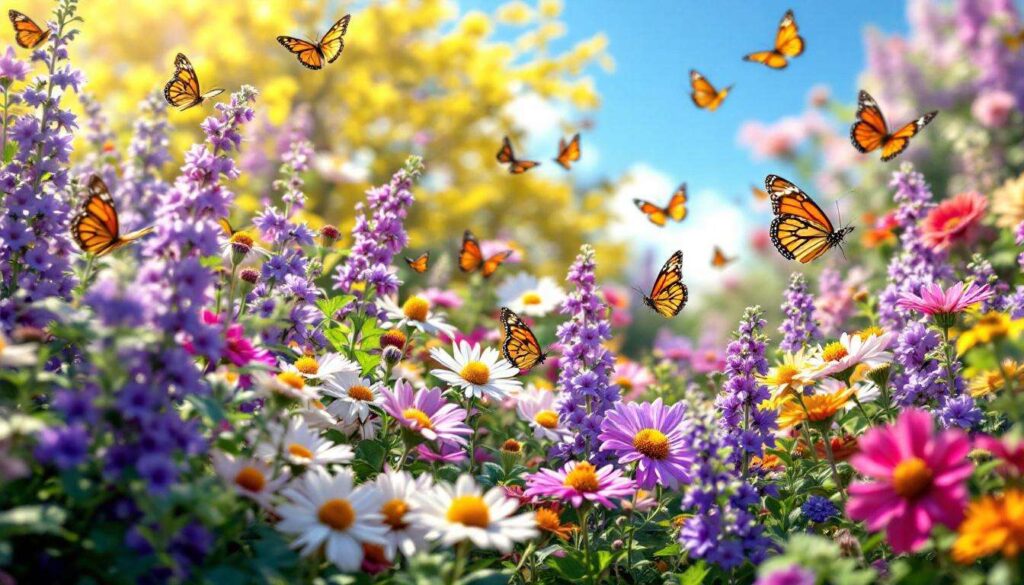
Gardeners seeking resilient beauty often overlook one remarkable specimen that thrives where others wither. The butterfly bush, scientifically known as Buddleja davidii, transforms sun-scorched patches into vibrant displays whilst attracting swarms of pollinators. This perennial powerhouse has earned its reputation through exceptional drought tolerance and an ability to flourish in conditions that would devastate less robust species. With arching branches laden with fragrant flower spikes ranging from deep purple to pristine white, this plant offers both aesthetic appeal and ecological value for gardens across temperate regions.
Introduction to the hardy and flourishing plant
Botanical characteristics and varieties
The butterfly bush belongs to the Scrophulariaceae family and originates from China and Tibet, where it evolved to withstand harsh mountain conditions. This deciduous shrub typically reaches heights between 1.5 and 3 metres, with a similar spread that creates impressive focal points in garden borders. The lance-shaped leaves display a grey-green hue with silvery undersides, whilst the distinctive cone-shaped flower clusters can measure up to 30 centimetres in length.
Modern cultivars offer gardeners diverse options :
- Buddleja ‘Royal Red’ : produces wine-red blooms with orange centres
- Buddleja ‘White Profusion’ : features pure white panicles with yellow eyes
- Buddleja ‘Black Knight’ : displays deep purple, almost black flowers
- Buddleja ‘Pink Delight’ : offers bright pink flower spikes
Growth patterns and flowering season
This vigorous grower produces flowers on new wood, meaning current season’s growth, which explains its remarkable ability to bounce back after harsh winters or severe pruning. The flowering period extends from June through September, providing months of continuous colour when many other plants have finished their display. Each flower spike contains hundreds of tiny tubular florets that release a honey-sweet fragrance particularly noticeable during warm afternoons.
Understanding these fundamental characteristics helps explain why this plant performs so admirably in challenging environments.
The extreme conditions endured by this plant
Drought tolerance mechanisms
The butterfly bush demonstrates exceptional resilience during prolonged dry spells through several adaptive features. Its extensive root system penetrates deeply into soil, accessing moisture reserves unavailable to shallow-rooted competitors. The slightly hairy leaf surfaces reduce water loss through transpiration, whilst the silvery undersides reflect excessive sunlight, minimising heat stress.
| Environmental stress | Survival rating | Recovery time |
|---|---|---|
| Extreme heat (35°C+) | Excellent | Immediate |
| Drought (4+ weeks) | Very good | 1-2 weeks |
| Poor soil | Good | Not applicable |
| Frost (-15°C) | Moderate | Following spring |
Adaptability to various soil types
Unlike many flowering shrubs that demand specific soil conditions, Buddleja davidii thrives in remarkably diverse substrates. It grows successfully in alkaline, neutral, or slightly acidic soils, tolerating pH ranges from 6.0 to 8.0. The plant even colonises disturbed ground, railway embankments, and urban wastelands, demonstrating its ability to extract nutrients from impoverished substrates. Excellent drainage remains the only critical requirement, as waterlogged roots may succumb to rot during winter months.
These survival capabilities make the butterfly bush particularly valuable as climate patterns become increasingly unpredictable, yet its true magic lies in the wildlife it attracts.
Appeal to butterflies and biodiversity
Nectar production and pollinator attraction
The common name ‘butterfly bush’ reflects the plant’s extraordinary magnetism for Lepidoptera species. Each flower produces copious amounts of high-quality nectar with sugar concentrations reaching 30-40%, making it irresistible to butterflies, moths, bees, and hoverflies. On sunny days, a single mature specimen may host dozens of feeding insects simultaneously, creating a mesmerising spectacle of fluttering wings and vibrant colours.
Regular visitors include :
- Peacock butterflies (Aglais io)
- Red admirals (Vanessa atalanta)
- Comma butterflies (Polygonia c-album)
- Small tortoiseshells (Aglais urticae)
- Painted ladies (Vanessa cardui)
- Various bumblebee species
Supporting declining pollinator populations
With pollinator numbers experiencing alarming declines across Britain, the butterfly bush provides critical late-season nectar resources when many native plants have ceased flowering. This extended availability helps butterflies build energy reserves before hibernation or migration, directly contributing to population sustainability. The plant also supports day-flying moths and numerous bee species, including honeybees that collect both nectar and pollen from the flowers.
Beyond attracting pollinators, the dense foliage offers shelter for beneficial insects and small birds, enhancing overall garden biodiversity. These ecological benefits become even more valuable when gardeners incorporate the plant thoughtfully into their landscapes.
Tips for integrating the plant into your garden
Optimal planting locations
Success with butterfly bushes begins with site selection. Choose positions receiving at least six hours of direct sunlight daily, as flowering intensity correlates directly with light exposure. South-facing or west-facing borders prove ideal, particularly against walls or fences that provide additional warmth and wind protection. Avoid planting in frost pockets or heavily shaded areas where growth becomes leggy and flowering disappoints.
The plant works beautifully in various garden contexts :
- Mixed borders alongside roses, lavender, and ornamental grasses
- Wildlife gardens specifically designed for pollinator support
- Coastal gardens where salt tolerance proves advantageous
- Urban spaces including courtyards and roof terraces
- Informal hedging creating colourful boundaries
Companion planting strategies
Pairing butterfly bushes with complementary species creates layered interest throughout the growing season. Plant spring-flowering bulbs such as alliums or tulips beneath the shrub to provide early colour before the Buddleja leafs out. Combine with purple coneflowers, sedums, and verbena to extend the pollinator buffet and create harmonious colour schemes. Ornamental grasses like Miscanthus or Pennisetum provide textural contrast whilst sharing similar cultural requirements.
Proper establishment sets the foundation for years of reliable performance, but ongoing care ensures the plant reaches its full potential.
Maintenance and care for optimal blooming
Pruning techniques and timing
Annual pruning represents the single most important maintenance task for butterfly bushes. In late March or early April, before new growth emerges, cut all stems back hard to approximately 30-60 centimetres from ground level. This severe reduction encourages vigorous new shoots that produce the largest, most abundant flower spikes. Without regular pruning, plants become woody, congested, and produce progressively smaller blooms on increasingly tall, ungainly branches.
Remove spent flower heads throughout the blooming period through a process called deadheading. This practice prevents seed formation, redirecting energy into producing additional flowers and extending the display by several weeks. Simply snip faded spikes just above the next set of leaves using clean, sharp secateurs.
Feeding and watering requirements
Despite its drought tolerance, newly planted specimens benefit from regular watering during their first growing season to establish robust root systems. Once established, supplemental irrigation becomes necessary only during prolonged dry spells exceeding three weeks. Apply a generous layer of organic mulch around the base each spring to conserve moisture, suppress weeds, and gradually improve soil structure.
| Season | Watering frequency | Fertiliser application |
|---|---|---|
| Spring | Weekly if dry | General-purpose fertiliser |
| Summer | Fortnightly if dry | High-potassium feed monthly |
| Autumn | Minimal | None required |
| Winter | None | None required |
Feed established plants with a balanced slow-release fertiliser in April, followed by monthly applications of high-potassium liquid feed during the flowering period to promote bloom production. Avoid excessive nitrogen, which stimulates leafy growth at the expense of flowers.
These straightforward care practices yield impressive returns whilst contributing to broader environmental goals.
Environmental impact and benefits for the garden
Carbon sequestration and air quality
Like all woody perennials, butterfly bushes contribute to carbon capture through photosynthesis, storing carbon in their stems, roots, and branches. A mature specimen removes approximately 10-15 kilograms of carbon dioxide annually whilst releasing oxygen, making modest but meaningful contributions to atmospheric improvement. The dense foliage also filters airborne particulates, improving local air quality in urban environments where pollution levels often exceed healthy thresholds.
Supporting ecosystem services
Beyond direct pollinator support, these plants provide numerous ecosystem services that enhance garden health. The abundant insect activity attracts predatory species including lacewings, ladybirds, and parasitic wasps that control aphids and other pest populations naturally. Birds such as blue tits and wrens hunt amongst the branches for caterpillars and spiders, whilst the seeds provide food for finches during autumn and winter months.
The plant’s ability to stabilise soil through extensive root networks prevents erosion on slopes and banks, whilst its tolerance for poor substrates enables greening of otherwise barren urban spaces. These multifaceted benefits demonstrate how a single well-chosen species can transform gardens into functional ecosystems rather than mere ornamental displays.
The butterfly bush exemplifies how beauty and resilience need not exist separately. This remarkable plant withstands scorching temperatures and drought whilst transforming gardens into pollinator havens through months of nectar-rich blooms. Its minimal maintenance requirements, adaptability to various conditions, and significant ecological contributions make it invaluable for modern sustainable gardening. By incorporating butterfly bushes into diverse planting schemes and maintaining them through simple annual pruning, gardeners create vibrant spaces that support declining wildlife populations whilst enjoying spectacular floral displays that endure where less robust species fail.